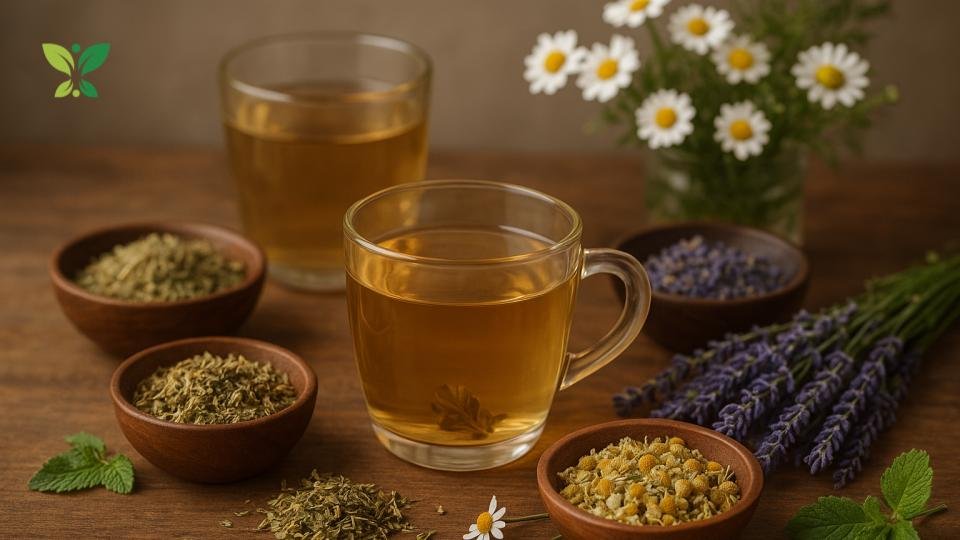
Herbal Blends for Stress Relief and Better Sleep
Many people struggle with stress and sleeplessness in today’s busy world. Instead of relying only on medication, some turn to nature’s remedies—herbs that have been used for centuries to calm the mind and body.
Individually, herbs like chamomile, lavender, valerian, and passionflower are well-known for their soothing properties. But when blended together, they can create powerful synergies that support both relaxation and restful sleep.
This article explores herbal blends designed to ease stress and promote better nights, along with tips on how to enjoy them as part of a healthy lifestyle.
Why Herbal Blends Work
Herbs contain natural compounds that can interact with the nervous system to reduce tension and encourage relaxation. When combined, these plants often complement one another, enhancing their effects. Blends can also create pleasant flavors, making it easier to enjoy them regularly as teas or infusions.
Popular Herbs for Relaxation and Sleep
Before exploring blends, let’s review some of the most popular herbs used in stress relief and sleep support:
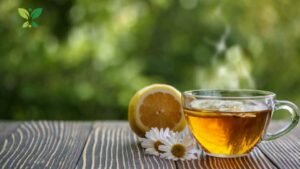
- Chamomile: Gentle and soothing, often used as a bedtime tea.
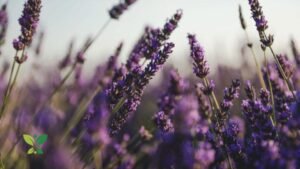
- Lavender: Known for its calming aroma and ability to promote rest.
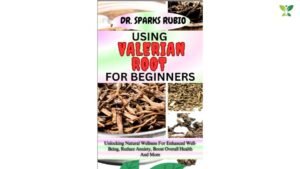
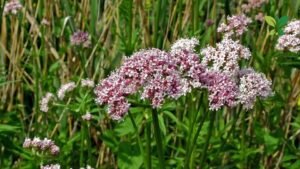
- Valerian root: Traditionally used to support deeper sleep and reduce restlessness.
- Passionflower: Helps calm the mind and support sleep quality.
- Lemon balm: Refreshing and uplifting, often used for stress relief.
Each of these herbs can be effective on its own, but together they can create well-rounded blends.
Herbal Blends for Stress Relief
For stress during the day, certain blends can encourage relaxation without causing drowsiness:
Chamomile and Lemon Balm
This duo helps reduce tension while keeping the mind clear. It’s ideal for sipping in the afternoon or after work.
Lavender and Chamomile
A fragrant mix that soothes nerves and provides comfort. The floral aroma alone can create a sense of calm.
Passionflower and Lemon Balm
Together, they create a refreshing tea that eases mild stress and supports mood balance.
Herbal Blends for Better Sleep
Evening blends focus on calming the mind and preparing the body for rest:
Valerian, Chamomile, and Passionflower
This classic bedtime combination supports deeper relaxation and improved sleep quality.
Lavender and Valerian Root
Perfect for those who struggle to unwind at night, pairing aroma with sedative-like support.
Chamomile, Lemon Balm, and Lavender
A gentle blend suitable for those who want mild but effective nighttime support.
How to Make Herbal Tea Blends at Home
Creating your own blends can be simple and rewarding.
Basic Steps:
- Choose dried herbs (from a trusted supplier).
- Mix in desired proportions—for example:
- 1 part chamomile, 1 part lemon balm, ½ part lavender.
- Store in an airtight container away from sunlight.
- To prepare, steep 1–2 teaspoons of the blend in hot water for 5–10 minutes.
Adding honey or a slice of lemon can enhance the taste.
When to Drink Herbal Blends
- Daytime stress relief: Enjoy lighter blends, such as chamomile and lemon balm, during breaks or after work.
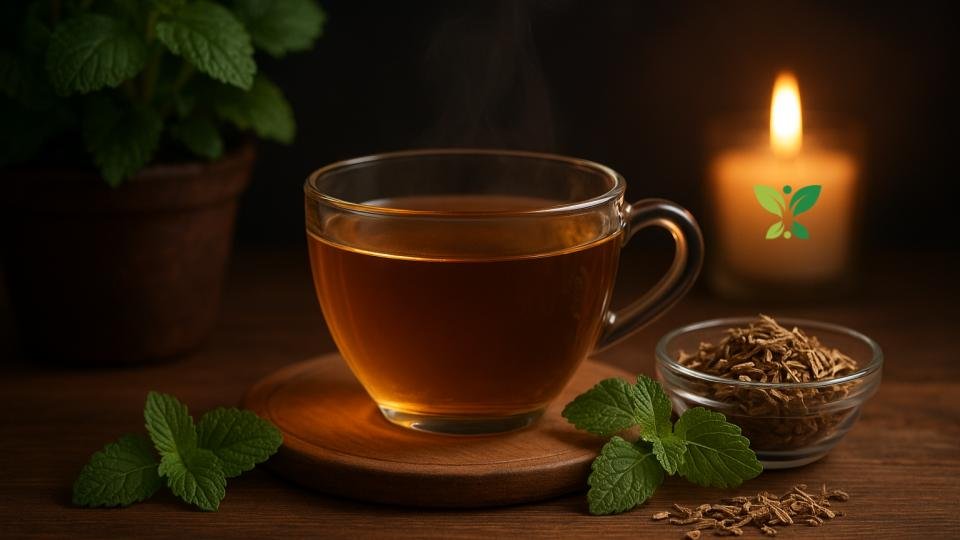
- Evening relaxation: Drink stronger blends with valerian or passionflower 30–60 minutes before bed.
Consistency is important—making tea a nightly ritual signals to the body that it’s time to rest.
Safety and Considerations
While herbal teas are generally safe, there are a few points to remember:
- Start small: Begin with one cup per day to see how your body responds.
- Check for allergies: Some people may be sensitive to herbs like chamomile or lavender.
- Consult professionals: If you are pregnant, breastfeeding, or taking medication, speak with a healthcare provider before using herbal supplements.
Creating a Relaxation Ritual
Herbal blends are most effective when paired with calming habits. Try combining them with:
- Turning off electronic devices early
- Practicing deep breathing or meditation
- Reading or journaling before bed
- Keeping a consistent sleep schedule
Together, these practices enhance the calming effects of herbs.
Tips for Making Herbal Blends at Home
- Start simple: Combine two or three herbs to discover flavors and effects you enjoy.
- Use dried herbs: They are easy to store and maintain their properties when kept in airtight containers.
- Experiment with proportions: For example, use more chamomile for sweetness and just a small amount of valerian for depth.
- Enjoy mindfully: Take time to sip slowly, breathe deeply, and let the experience calm you.
Lifestyle Practices That Enhance Herbal Support
While herbal blends are helpful, they work best when paired with healthy bedtime habits:
- Keep a regular sleep schedule.
- Avoid screens and bright lights before bedtime.
- Create a calming environment with soft lighting or gentle music.
- Try light stretching or meditation in the evening.
A Gentle Path to Better Rest
Herbal blends are not a magic solution, but they can become a meaningful part of your nightly routine. By combining calming herbs such as valerian, chamomile, lavender, and lemon balm, you can create a simple, enjoyable ritual that promotes relaxation and helps you prepare for restful sleep. With consistency, these natural practices can become a cornerstone of better nights and calmer days.
🌿Stay here and learn how to relax naturally 😴
Read also:
⚠️ Disclaimer:
Content is for informational purposes only and is not medical advice. Consult a healthcare professional before use.






Publicar comentário