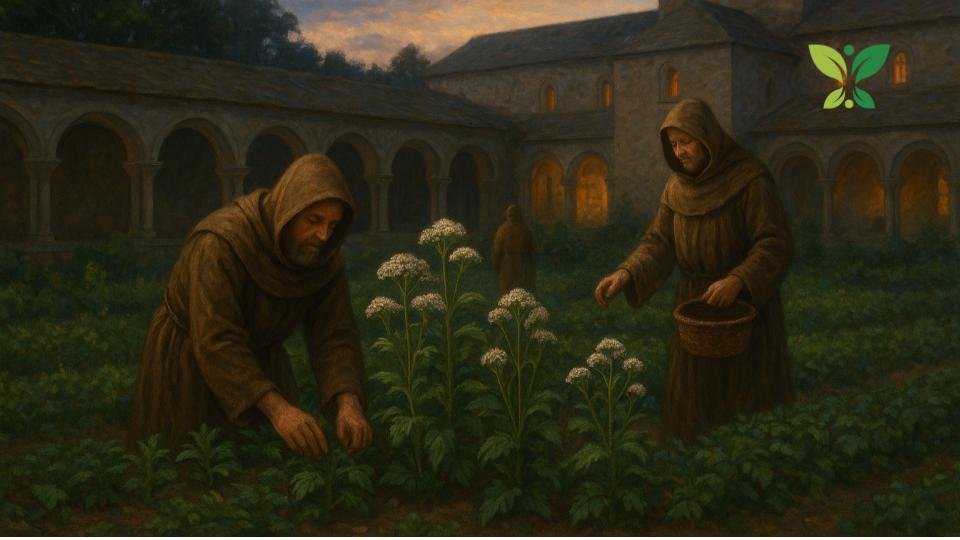
Why Monks in the Middle Ages Cultivated Valerian in Their Gardens
Valerian, a plant known for its calming associations, carried deep cultural and symbolic meaning long before the modern world. In the Middle Ages, monasteries became centers of knowledge, healing, and tradition. Within their gardens, monks cultivated valerian not only for practical uses but also for its place in rituals of peace, rest, and reflection. Understanding why monks cared for this plant gives us insight into the spiritual and everyday life of medieval Europe.
Monastic Gardens as Sanctuaries
Monastic gardens were more than places of cultivation—they were sanctuaries of learning. Each monastery typically had several types of gardens: one for food, one for beauty and contemplation, and one for medicinal herbs. These spaces allowed monks to live self-sufficiently while also supporting their work of caring for travelers and the sick.
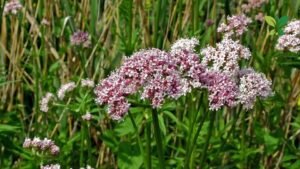
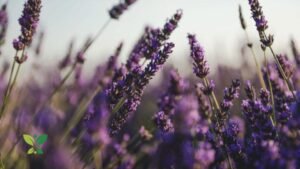
Valerian, with its long roots and strong fragrance, was commonly found in these herb gardens. It stood alongside plants like chamomile, lavender, and sage, each chosen for their usefulness in supporting both body and spirit.
The Symbolism of Valerian in Monastic Life
For monks, every plant held meaning beyond its physical qualities. Valerian was seen as a symbol of peace and stillness, qualities central to monastic life. Just as monks withdrew from the world to seek inner calm, valerian represented grounding and serenity.
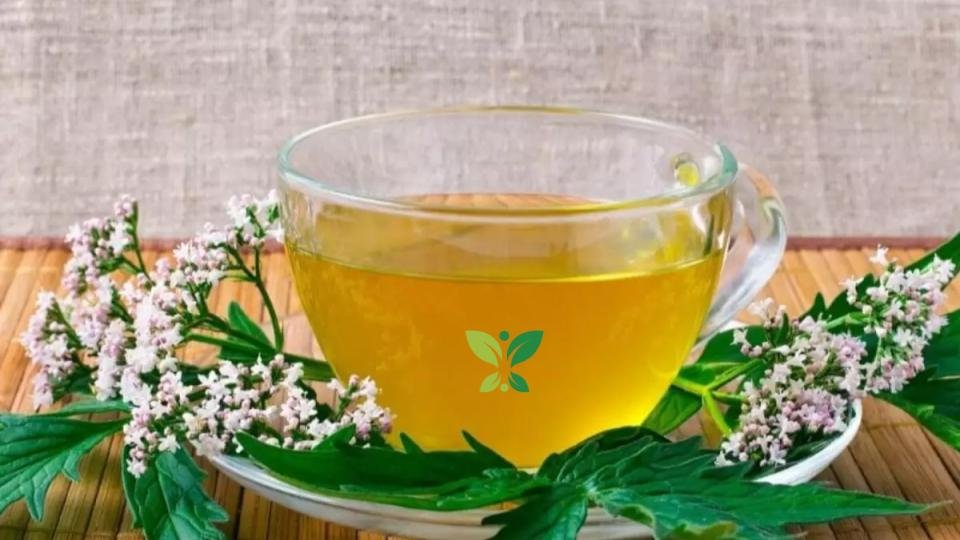
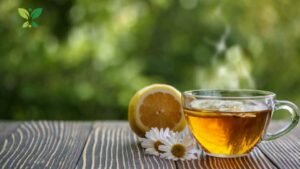
It was often included in nightly rituals, when the monastery transitioned from the activity of the day into the silence of prayer and rest. A valerian infusion could accompany this quiet moment, reminding monks of the harmony between the natural world and their spiritual path.
Valerian in Medieval Herbals
The Middle Ages produced a rich body of herbals—manuscripts that described plants, their appearances, and their traditional uses. Works inspired by earlier authorities such as Dioscorides were copied and expanded upon by monks.
Valerian appeared in many of these manuscripts, where it was noted for its role in soothing and calming the body. The act of recording these traditions preserved knowledge that otherwise might have been lost, allowing valerian to remain part of European culture for centuries.
Practical Uses of Valerian in Monasteries
Beyond symbolism, valerian had practical roles in monastic life. Infusions were prepared to help with nightly rest, particularly after long hours of work in fields, scriptoriums, or kitchens. Monks believed that relaxation of the body was important for clarity of prayer.
Valerian was sometimes dried and stored for use in winter, when rest and warmth were harder to maintain. Its presence in the monastery’s storeroom reflected careful planning, ensuring that the community always had what it needed for both body and spirit.
Valerian in Ritual and Prayer
Nighttime was sacred in monastic communities. After Compline, the final prayer service of the day, silence would fall. In some traditions, a small cup of herbal infusion—sometimes containing valerian—was taken before retiring to bed.
This ritual linked daily life to spiritual discipline. Just as valerian encouraged peace, monks sought inner peace through devotion and stillness. The plant’s role was not magical but symbolic, reinforcing the harmony they sought in every action.
The Broader Medieval World and Valerian
Monasteries were not isolated. They were hubs of learning, and their practices influenced the broader society. Peasants, travelers, and nobles often came into contact with monastic traditions. Through these interactions, knowledge of valerian spread beyond monastery walls.
Many people came to associate valerian with the quiet, ordered life of the monks. The plant thus became a cultural bridge between spiritual and everyday practices of relaxation.
From Monastic Roots to Modern Traditions
The cultivation of valerian by monks shows how the Middle Ages shaped the plant’s legacy. What began as part of Greek and Roman tradition was preserved and passed on through monastic gardens, ensuring that valerian continued to be valued for its calming associations.
Today, when valerian is used in nighttime infusions, it reflects not only a desire for relaxation but also a deep history of human connection to nature, peace, and ritual.
A Plant of Stillness
Valerian’s role in medieval monasteries is a reminder that plants are never just plants—they are part of culture, history, and meaning. For monks, tending valerian was not only about growing an herb. It was about cultivating peace, in both the garden and the soul.
🌿 Continue your journey toward calm and balance 😴
Read also:







Publicar comentário