How Valerian Appeared in Ancient Greek Beliefs About Dreams and Relaxation
Valerian, known today as a plant linked to peace and rest, has roots that stretch far back into ancient history. Among the Greeks, it was not simply an herb—it carried cultural, symbolic, and practical meaning. By exploring how valerian appeared in ancient Greek thought and ritual, we uncover a fascinating perspective on the human search for relaxation and meaningful sleep.
The Greek Tradition of Healing Plants
The Greeks were pioneers in cataloguing and studying the natural world. Their physicians and philosophers believed that plants reflected harmony with nature and could influence the balance of the human body and mind.
Valerian (later called phu by Dioscorides, due to its strong smell) was part of this early botanical tradition. Though it may not have been the most glamorous herb, it was recognized for its connection to calm and for its role in rituals linked to night and dreams.
Valerian and the Greek Concept of Sleep
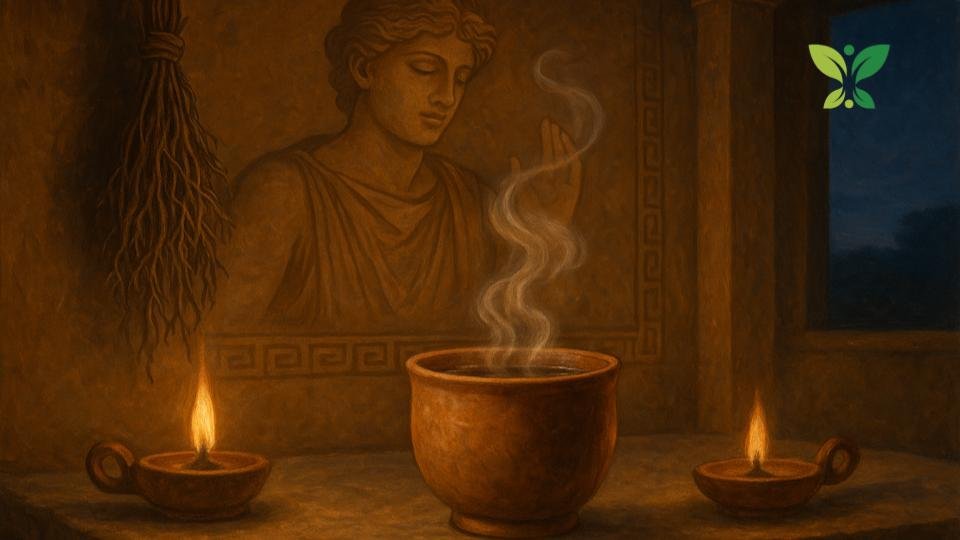
For the Greeks, sleep was deeply significant. It was personified by Hypnos, the god of sleep, who was often depicted as a gentle figure bringing rest to mortals. His twin brother, Thanatos (death), highlighted the delicate boundary between sleep and eternity.
Herbs like valerian were believed to support the natural flow of sleep. Infusions prepared in the evening were part of rituals designed to quiet the mind and prepare the soul for nightly rest, when dreams could carry divine messages.
The Role of Valerian in Greek Rituals
Greek rituals often involved plants not just for their physical qualities, but also for their symbolic value. Valerian, with its earthy roots and distinctive aroma, was seen as a grounding presence.
In some traditions, small amounts of valerian root were burned, releasing a scent thought to cleanse the space and prepare it for peaceful sleep. Families or individuals seeking clarity in dreams might sip a valerian infusion before resting, viewing it as a way to align body and spirit with the divine.
Greek Physicians and Valerian
Physicians such as Hippocrates and later Dioscorides left writings that included valerian. They noted its association with calming the body and promoting balance. Importantly, these records show that valerian was valued not only in daily practice but also as part of the larger Greek approach to health: harmony between nature, the body, and the soul.
By including valerian in their pharmacopeia, the Greeks ensured that the plant became part of an enduring tradition that would later pass on to the Romans and beyond.
Valerian and Dreams in Greek Culture
Dreams held an extraordinary role in Greek society. They were often seen as messages from the gods, and temples such as those of Asclepius were dedicated to dream incubation, where individuals sought healing visions during sleep.
Valerian’s connection with relaxation and rest linked it symbolically to these practices. Though not every dream ritual mentioned specific herbs, valerian’s historical association with tranquility suggests it may have played a role in preparing the dreamer for a deeper, more receptive state of rest.
Valerian in Greek Daily Life
Beyond temples and physicians, valerian was part of ordinary Greek life. Families who grew herbs in small gardens often included valerian, not just for its practical uses but for the sense of peace it brought to the household. A warm infusion at night could serve as a quiet ritual to mark the end of the day.
From Greek Roots to Lasting Traditions
The legacy of valerian in ancient Greece highlights the timelessness of the human search for calm nights and restorative rest. It was not only a plant but also a symbol woven into the culture’s beliefs about sleep, dreams, and balance.
The Greek respect for valerian and other herbs shaped how future generations, including the Romans, approached nightly rituals of relaxation.
An Enduring Echo
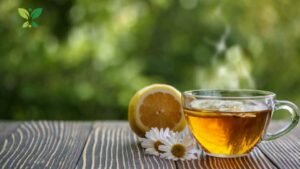
Even today, when valerian tea is prepared in the evening, it echoes ancient Greek traditions. The practice connects us to a long history of seeing rest as sacred and valuable, where sleep was not merely an absence of activity but a space for renewal, reflection, and even divine communication.
🌿Continue exploring natural ways to fall asleep faster 😴
Read also:
⚠️ Disclaimer:
Content is for informational purposes only and is not medical advice. Consult a healthcare professional before use.









Publicar comentário