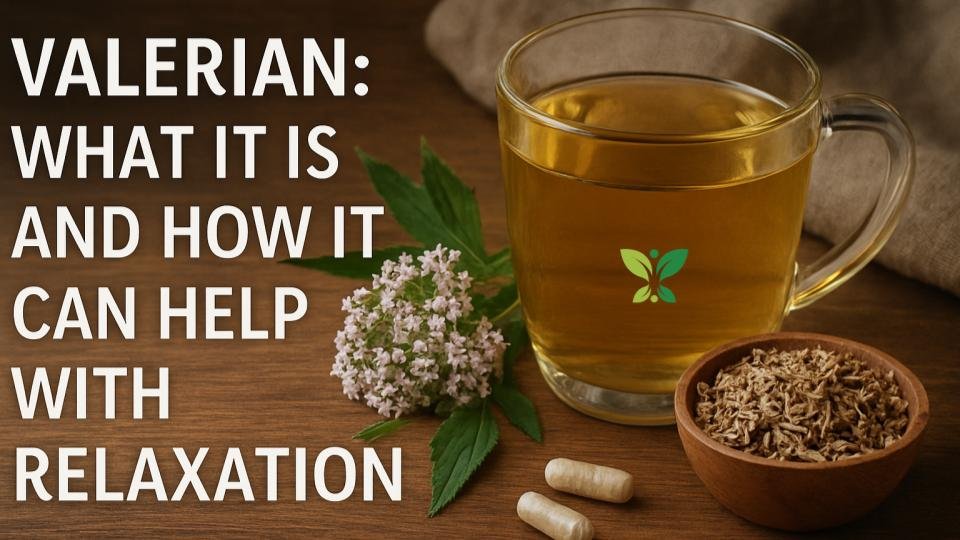
Valerian: What It Is and How It Can Help with Relaxation
Understanding Valerian
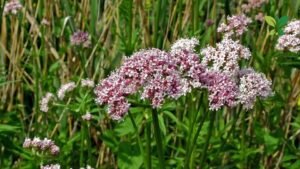
Valerian (Valeriana officinalis) is a perennial plant native to Europe and Asia, well-known for its calming properties. For centuries, valerian has been used in traditional practices as a natural way to promote relaxation, reduce tension, and support better sleep. Its roots, in particular, contain compounds that are believed to have a soothing effect on the nervous system.
Unlike synthetic relaxants or sleep aids, valerian is a natural herb that many people prefer when looking for gentle ways to unwind. Though it is not a magic solution, it can be part of a healthy lifestyle focused on relaxation and balance.
Why Valerian Is Called the “Herb of Sleep”
Valerian has gained the nickname “herb of sleep” because of its reputation for promoting restfulness. Many people turn to valerian tea or supplements in the evening when they want to ease into bedtime more calmly. While its effects can vary from person to person, some report:
- Feeling less anxious before going to bed
- Falling asleep more smoothly
- Waking up less during the night
It is important to remember that valerian should not be considered a cure for insomnia or a substitute for professional guidance. Instead, it works best as part of a holistic relaxation routine.
How Valerian Promotes Relaxation
The calming effects of valerian are linked to naturally occurring compounds in the plant’s root. These compounds are thought to support the brain’s natural processes that regulate calmness and rest. While research continues, many individuals find that valerian helps:
- Reduce feelings of stress after a long day
- Encourage a more peaceful mood
- Prepare the body and mind for bedtime
This makes it a popular choice for those seeking a natural approach to managing everyday stress and tension.
Ways to Use Valerian
Valerian can be enjoyed in different forms, depending on personal preference and lifestyle. Here are the most common options:
1. Herbal Tea
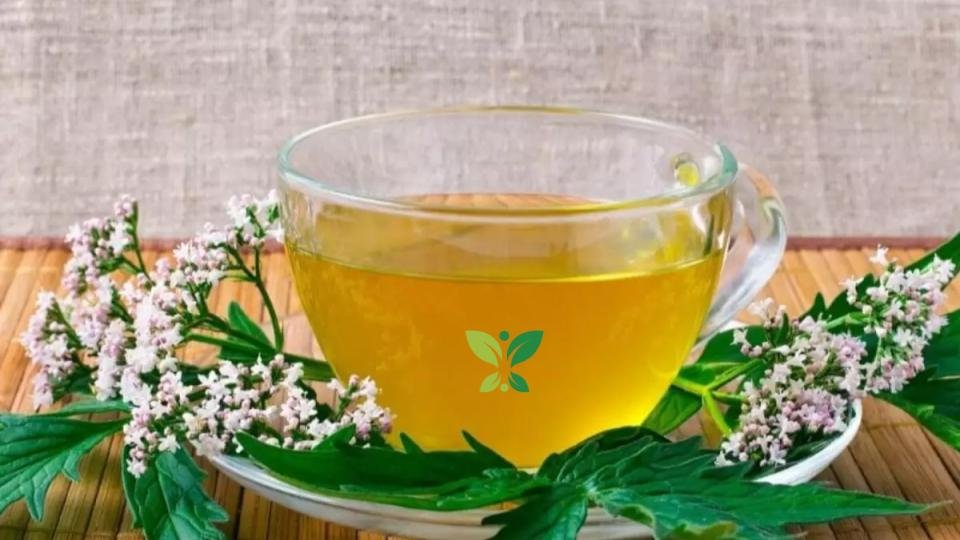
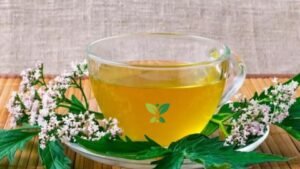
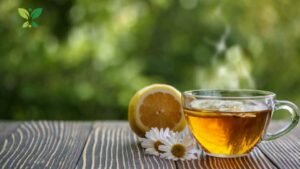
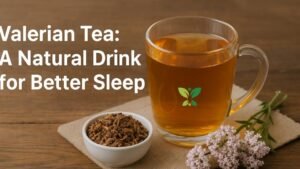
Valerian tea is one of the most traditional ways to consume this herb. Preparing it involves steeping dried valerian root in hot water for 5–10 minutes. Some people enjoy blending it with other relaxing herbs like chamomile, lemon balm, or lavender for a more balanced flavor and effect.
2. Capsules and Tablets
For those who find the earthy taste of valerian tea too strong, capsules or tablets provide a convenient alternative. They are easy to measure and carry, making them suitable for travel or busy routines.
3. Liquid Extracts and Tinctures
Liquid forms of valerian allow for quick absorption. They can be mixed with water or tea, offering flexibility in how they are consumed.
Tips for Including Valerian in Your Routine
If you are curious about trying valerian as a relaxing aid, here are some gentle suggestions:
- Start small: Try valerian tea once in the evening to see how your body responds.
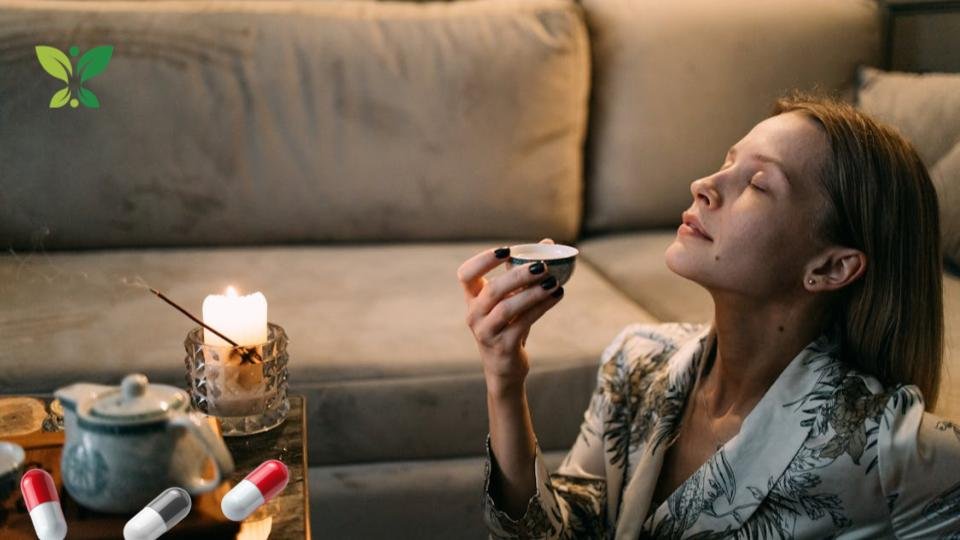
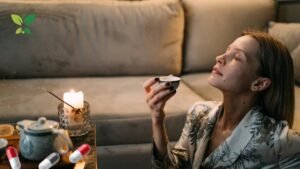
- Combine with rituals: Enjoy it while reading a book, listening to calm music, or dimming the lights.
- Be consistent: Herbs often work best when taken regularly as part of a routine.
- Pair with lifestyle habits: Use valerian alongside relaxation techniques such as meditation, breathing exercises, or gentle stretching.
Other Relaxing Herbs to Pair with Valerian
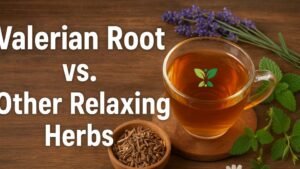
Valerian is often even more effective when combined with other natural herbs known for their calming qualities. Popular options include:
- Chamomile: Famous for its mild flavor and soothing effects.
- Lavender: Often used in aromatherapy and teas for relaxation.
- Lemon balm: A fragrant herb that helps reduce feelings of tension.
- Passionflower: Traditionally used to support a calm mind.
These blends can create a personalized herbal tea that makes winding down at the end of the day both enjoyable and effective.
Common Questions About Valerian
1. Does valerian make you sleepy during the day?
Not necessarily. For many people, valerian is relaxing without causing daytime drowsiness, especially if consumed in the evening.
2. How long does it take to notice the effects?
Some people feel relaxed after the first use, while others notice benefits after using it consistently for several days.
3. Is valerian addictive?
Valerian is not considered addictive. Instead, it is a natural herb that supports relaxation when used responsibly.
Lifestyle Tips to Maximize Relaxation
Valerian works best when paired with healthy daily habits. Consider adding these practices to your routine:
- Create a consistent bedtime schedule.
- Limit caffeine intake late in the day.
- Turn off electronic devices an hour before sleep.
- Use calming scents like lavender in your bedroom.
- Practice deep breathing or meditation.
When combined with these habits, valerian can be a valuable part of a calming evening ritual.
Final Thoughts: Valerian as a Gentle Ally
Valerian is not a quick fix, but it is a gentle ally for anyone who wants to support relaxation naturally. By sipping it as a tea, taking it as a capsule, or blending it with other herbs, you can create moments of calm that fit your lifestyle.
In a world where stress is common, valerian offers a simple, nature-based way to slow down, breathe, and relax.
🌿Continue exploring natural ways to fall asleep faster 😴
Read also:
⚠️ Disclaimer:
Content is for informational purposes only and is not medical advice. Consult a healthcare professional before use.



Publicar comentário