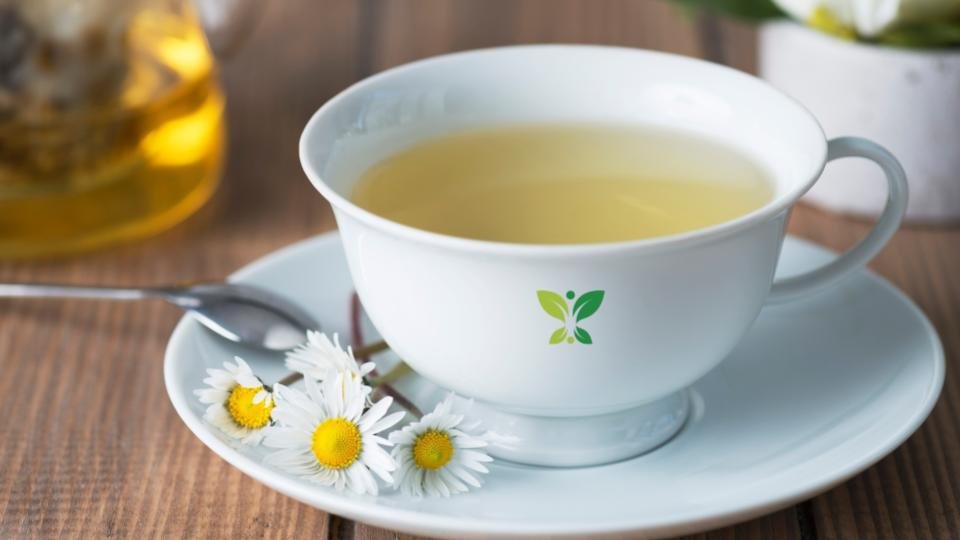
How to Create a Relaxing Routine with Herbal Teas
Why Herbal Teas Are Perfect for Relaxation
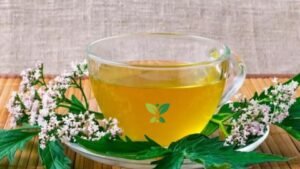
Herbal teas are more than warm drinks they’re rituals that can bring peace to even the busiest days. Whether enjoyed in the morning to start calmly or in the evening to prepare for sleep, herbal teas are gentle allies for relaxation.
The act of brewing, smelling, and sipping tea slows down the pace of life. Combined with the natural calming effects of herbs like valerian, chamomile, and lavender, tea becomes a simple yet powerful tool for stress relief.
Step 1: Choose the Right Herbs
Not all herbs are the same. Each one has its own taste and relaxation benefits.
Popular Relaxing Herbs:
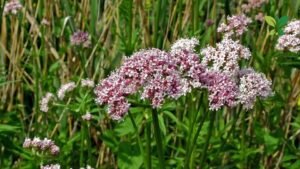
- Valerian root: Stronger, earthy, often used at night for deep relaxation.
- Chamomile: Floral and sweet, perfect for daily calming.
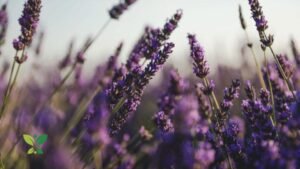
- Lavender: Aromatic and soothing, enhances mood and sleep.
- Lemon balm: Refreshing, reduces restlessness.
- Passionflower: Helps quiet a busy mind.
Tip: Start with one herb, then experiment with blends to find what suits you best.
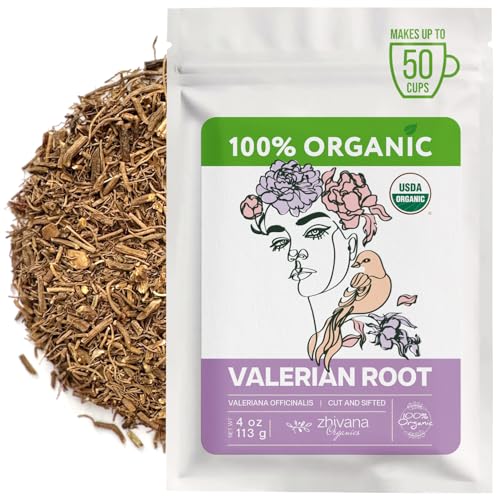
- 🌿USDA Organic Valerian root Tea (Valeriana officinalis): A true peace tonic for the soul, our Dried Valerian Root is han…
- 🌿Improved Sleep Quality: an root is known for its calming properties. You will fall asleep faster and experience deeper,…
- 🌿Stress Tea: Organic Valerian Tea contains compounds that may help promoting a sense of calmness and relaxation.
Step 2: Create a Tea Preparation Ritual
Preparing tea should be as relaxing as drinking it.
- Set the mood: Dim the lights or light a candle.
- Choose your cup: A favorite mug can make the moment special.
- Be mindful: Pay attention to the aroma, color, and warmth of the tea.
Turning tea-making into a slow, intentional ritual sets the tone for relaxation.
Step 3: Pick the Best Time of Day
The timing of your tea depends on your needs:
- Morning: Lemon balm or peppermint teas can create a calm yet energizing start.
- Afternoon: Chamomile or lavender can ease midday stress.
- Evening: Valerian or passionflower blends work well before bed.
Tip: Try different herbs at different times to see what matches your daily rhythm.
Step 4: Pair Tea with Calming Activities
Tea is more effective when combined with mindful practices.
Ideas include:
- Reading a calming book.
- Practicing deep breathing or meditation.
- Writing in a journal.
- Listening to soft instrumental music.
- Doing light stretching or yoga.
Together, these activities create a stronger relaxation effect.
Step 5: Make It Consistent
The secret to a successful relaxation routine is consistency. By drinking tea at the same time each day, your body and mind begin to associate the ritual with calmness.
For example, drinking chamomile tea every evening while reading a book can signal bedtime to your body naturally.
Tips for Making Relaxing Tea Blends at Home
- Combine valerian + chamomile for a bedtime blend.
- Mix lemon balm + lavender for an uplifting yet calming tea.
- Add a touch of honey or cinnamon for sweetness and comfort.
Experimenting with flavors makes the experience enjoyable and unique.
Lifestyle Habits to Enhance Your Tea Routine
Herbal teas work best when paired with other healthy habits:
- Avoid caffeine late in the day.
- Keep your bedroom cool, dark, and quiet.
- Limit screen time before bed.
- Create a calm environment with scents like lavender.
These small changes enhance the relaxing effects of tea.
Final Thoughts: Tea as a Daily Calm Ritual
Creating a relaxing routine with herbal teas is about more than drinking—it’s about slowing down and making space for peace.
By choosing the right herbs, preparing tea mindfully, and pairing it with calming activities, you transform an ordinary cup into a moment of self-care.
Whether enjoyed morning, afternoon, or night, herbal teas offer a natural path to balance and relaxation in daily life.
🌿Continue exploring natural ways to fall asleep faster 😴
Read also:
⚠️ Disclaimer:
Content is for informational purposes only and is not medical advice. Consult a healthcare professional before use.







Publicar comentário