Ancient Sleep Hacks: What the Greeks Knew About Valerian That We Don’t
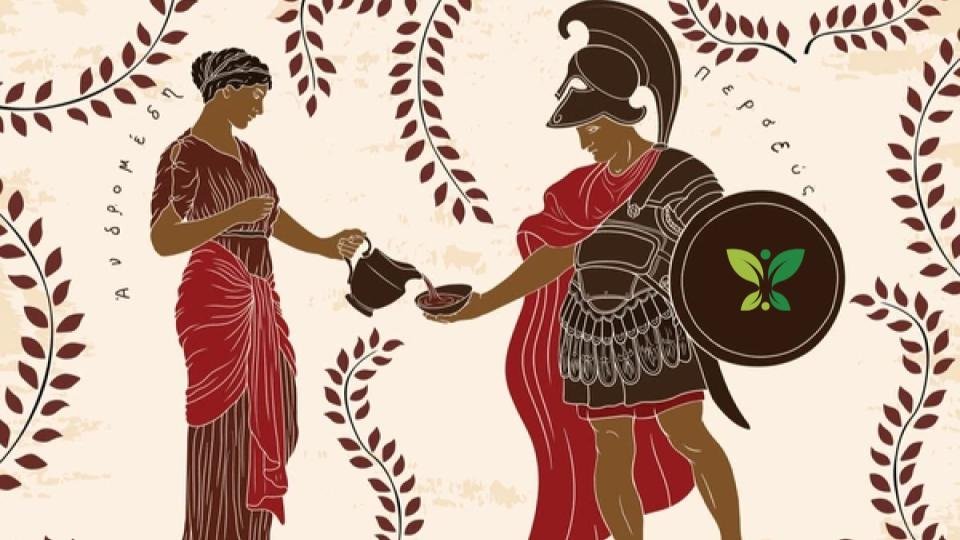
Long before sleep trackers, meditation apps, or modern supplements, ancient civilizations relied on nature’s pharmacy to restore balance to mind and body. Among the Greeks, valerian root was one of the most trusted remedies. While we often view sleep as a modern challenge brought on by stress and technology, the truth is that insomnia has troubled humans for thousands of years. What sets the Greeks apart is how they understood valerian—not merely as a plant, but as a gateway to harmony, rest, and even spiritual health.
The Greek Philosophy of Sleep
To the Greeks, sleep was sacred. It was personified by the god Hypnos, twin brother of Death, and father of Dreams. Rest was viewed as essential for maintaining physical strength, mental clarity, and emotional balance.
Unlike our modern culture, which often glorifies sleeplessness as a sign of productivity, Greek thinkers emphasized that rest was a foundation of wisdom and longevity. Without proper sleep, they believed the body would falter, and the mind would lose its capacity for reason.
Valerian fit perfectly into this worldview. It was not just a sedative; it was a natural tool to align humans with the rhythms of the universe.
Valerian in Ancient Greek Medicine
Valerian (known in ancient times as phu because of its strong odor) was widely documented in Greek medical texts. Physicians such as Hippocrates and Dioscorides wrote about its uses, highlighting its role in:
- Calming the nervous system
- Reducing restlessness
- Supporting digestive discomfort tied to anxiety
- Helping with sleeplessness
Dioscorides, in his famous De Materia Medica, described valerian as a plant that could “relax the spirit” and bring “quiet to the restless body.” This was revolutionary because it recognized the link between emotional tension and difficulty sleeping—a connection that modern science is still exploring today.
The “Ancient Sleep Hack” Rituals
The Greeks didn’t just consume valerian casually. They developed ritual-like practices around its use, blending medicine with philosophy. Some of these “sleep hacks” feel surprisingly modern:
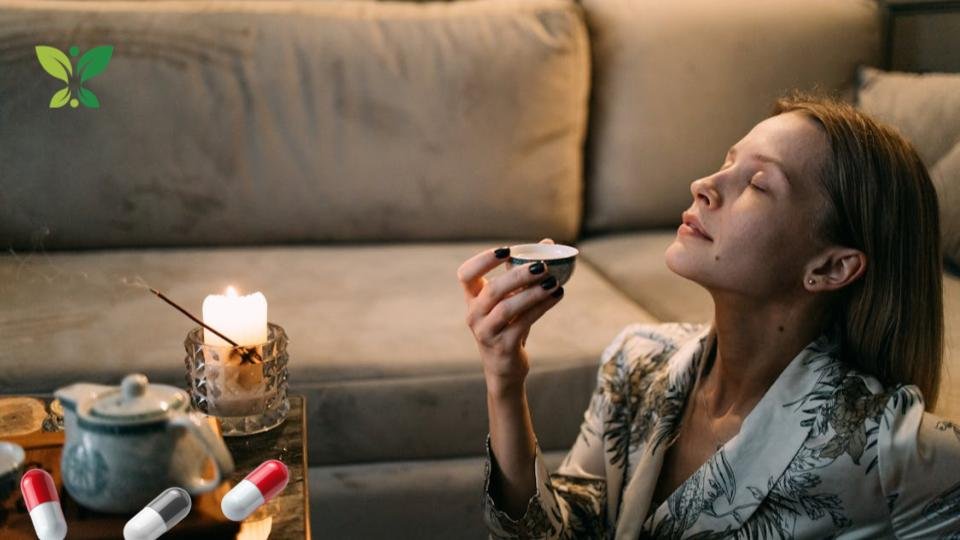
- Evening Infusions – Valerian root was often steeped in hot water, much like herbal teas today. Drinking it before bed signaled the body that it was time to slow down.
- Aromatic Baths – Valerian roots and leaves were added to warm baths, allowing the soothing properties to be absorbed through the skin while inhaling its earthy aroma.
- Dream Enhancement – Some believed valerian could encourage vivid dreams by relaxing the mind into a deeper sleep state. Temples dedicated to Asclepius, the god of healing, sometimes used valerian in their rituals of dream incubation.
- Blended Remedies – Valerian was frequently combined with herbs like chamomile, fennel, or mint to create complex sleep potions, showing an early understanding of synergy among plants.
Why Valerian Worked for the Greeks
Modern research validates what the Greeks observed intuitively. Valerian root contains valerenic acid and valerenol, compounds that influence GABA receptors in the brain—the same system targeted by many modern sleep medications. By enhancing the activity of GABA, valerian helps calm overactive nerves and promotes a natural onset of sleep.
The Greeks didn’t know the biochemistry, but they understood the results: calmer minds, restful nights, and bodies better prepared for the demands of the day.
Valerian as a Symbol of Balance
Greek philosophy often sought the concept of balance—between mind and body, work and rest, reason and emotion. Valerian symbolized this balance. It was gentle enough not to overpower, but strong enough to restore harmony when the system fell into imbalance.
This perspective contrasts with modern quick fixes, where people often seek instant sedation. The Greeks saw valerian not as a knockout remedy, but as a partner in aligning with nature’s rhythms.
Forgotten Wisdom That Still Matters Today
So, what did the Greeks know that we often overlook?
- Sleep is sacred → It is not a luxury, but a necessity for wisdom and strength.
- Rituals matter → Valerian was used within calming routines—baths, teas, temple ceremonies—making the process as restorative as the herb itself.
- Natural synergy → They often combined valerian with other plants, anticipating what modern herbalists now call “stacking” or “formulas.”
- Rest is holistic → Sleep was connected to diet, emotions, and even spirituality, not seen in isolation.
How to Apply Greek Wisdom Today
You don’t need a temple or toga to benefit from these ancient practices. By adopting a few Greek-inspired habits, you can transform valerian into more than just a supplement:
- Create a nightly ritual – Brew valerian tea at the same time each night to signal consistency to your body.
- Add atmosphere – Use dim lighting, soft music, or even a warm bath with calming herbs to mimic the sensory relaxation the Greeks sought.
- Blend mindfully – Consider combining valerian with chamomile or lemon balm for a layered effect, much like Greek herbalists did.
- Respect the process – Instead of expecting instant results, allow valerian to gently retrain your sleep patterns over days or weeks.
Reawakening an Ancient Ally
The Greeks may not have had the vocabulary of modern neuroscience, but they possessed something equally valuable: a deep respect for the relationship between humans and nature. Valerian was more than a root to them—it was a guide toward harmony, a remedy for restless minds, and a bridge between wakefulness and the dream world.
As we rediscover valerian today, we’re not simply using a plant for sleep—we’re reconnecting with a lineage of wisdom that stretches back thousands of years. Perhaps the real “sleep hack” isn’t the herb alone, but the way the Greeks wove it into a holistic lifestyle that honored rest as the foundation of a meaningful life.
🌿Stay here and learn how to relax naturally 😴
Read also:
⚠️ Disclaimer:
Content is for informational purposes only and is not medical advice. Consult a healthcare professional before use.












Publicar comentário