
A Complete Guide to Natural Herbs That Support Sleep
Why Herbs Are Trusted for Better Sleep
Many people today struggle with falling asleep or staying asleep due to busy lifestyles, stress, or irregular routines. While some turn to synthetic solutions, others prefer natural remedies. Herbs have been used for centuries as gentle allies to encourage relaxation and prepare the body for restful sleep.
The beauty of herbs lies in their versatility. They can be consumed as teas, capsules, tinctures, or even used in aromatherapy. By creating a calming ritual around them, you not only benefit from their properties but also train your body to associate certain practices with bedtime.
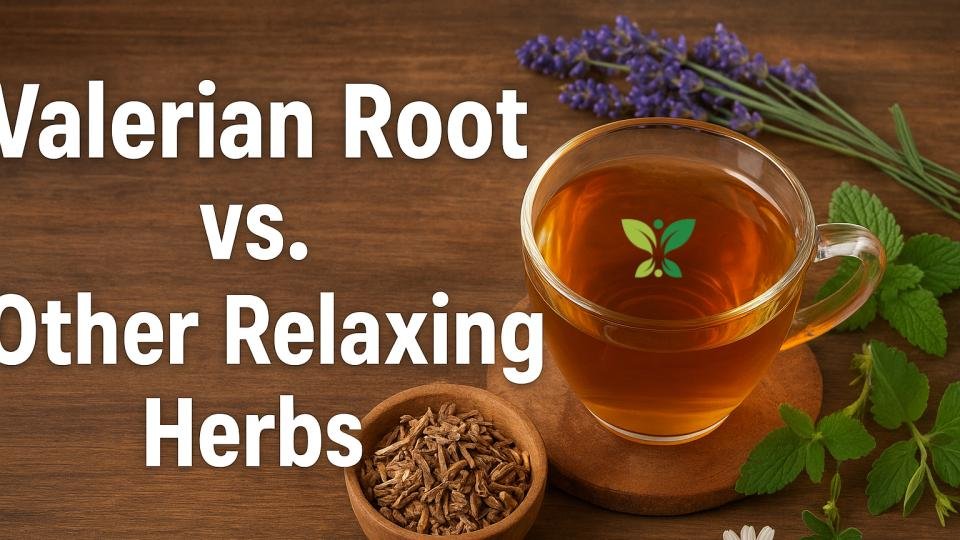
Valerian Root: The “Sleep Herb”
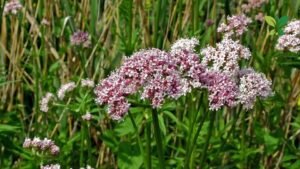
Valerian root is one of the most popular herbs associated with sleep support. Known for its earthy aroma and strong taste, valerian has been traditionally used as a natural relaxant.
Why People Use Valerian:
- Helps calm the mind before bedtime
- Supports a smoother transition into sleep
- Works well when combined with chamomile or lemon balm
Valerian is often consumed 30 minutes before bed, either as tea or capsules, making it an ideal evening herb.
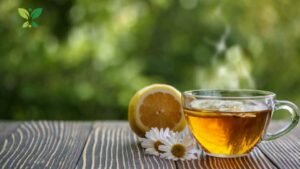
Chamomile: The Gentle Classic
Chamomile is a household favorite and perhaps the most widely consumed herbal tea worldwide. Its floral, mild flavor makes it easy to drink, and its calming properties make it perfect for a bedtime routine.
Benefits of Chamomile:
- Promotes relaxation without heaviness
- Reduces feelings of stress in the evening
- Can be sipped during the day or night
Chamomile is also used in bath blends and aromatherapy, giving it a versatile role in relaxation rituals.
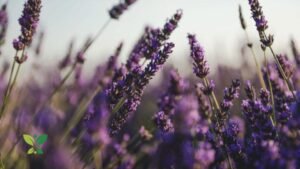
Lavender: The Aromatic Relaxer
Lavender is often associated with aromatherapy, but it also makes a soothing herbal tea. Its calming scent is known to relax the mind, while its floral taste adds a unique touch to bedtime blends.
How to Use Lavender for Sleep:
- Drink as a tea or add to valerian and chamomile blends
- Place a few drops of lavender essential oil on your pillow
- Use lavender sachets in your bedroom for a calming environment
Lavender’s gentle yet effective qualities make it a favorite for both tea drinkers and aroma lovers.
Lemon Balm: The Bright and Calming Herb
Lemon balm, with its fresh citrusy flavor, is another herb commonly used for relaxation. Belonging to the mint family, it is both uplifting and soothing.
Benefits of Lemon Balm:
- Helps reduce restlessness
- Provides a refreshing flavor to blends
- Can be consumed alone or with valerian
Lemon balm is often grown in home gardens, making it an easy-to-access sleep ally.
Passionflower: The Quieting Herb
Passionflower has been used traditionally to quiet racing thoughts, making it particularly useful for people who feel restless at night.
Benefits of Passionflower:
- Promotes calmness in the evening
- Often included in bedtime tea blends
- Works well alongside valerian root
Its mild, grassy flavor blends easily with other calming herbs, creating well-rounded teas for sleep.
Other Helpful Herbs for Sleep
Beyond the most popular ones, several other herbs can play a role in creating a sleep-friendly lifestyle:
- Peppermint: Relaxing for the body, though more refreshing than sedating.
- Holy Basil (Tulsi): Supports stress management and calmness.
- Ashwagandha: Known as an adaptogen that helps the body handle stress.
These herbs may not directly induce sleep but can prepare the body by reducing stress and tension.
Tips for Using Herbs to Support Sleep
To get the most out of herbs, consider these suggestions:
- Create a bedtime ritual: Drink your tea at the same time each night.
- Avoid caffeine late in the day: Herbal teas work best when caffeine is reduced.
- Use blends: Combining herbs like chamomile, valerian, and lemon balm can balance flavor and effectiveness.
- Pair with habits: Read, meditate, or stretch while sipping your tea for maximum relaxation.
Sample Bedtime Tea Blend
Here’s a simple herbal blend you can try at home:
- 1 teaspoon dried valerian root
- 1 teaspoon dried chamomile flowers
- ½ teaspoon dried lemon balm
- ½ teaspoon dried lavender
Steep the herbs in hot water for 10 minutes, strain, and enjoy about 30 minutes before bedtime.
Final Thoughts: Herbs as Gentle Sleep Companions
Herbs like valerian, chamomile, lavender, lemon balm, and passionflower have stood the test of time as natural sleep supporters. While they are not instant fixes, they can be powerful tools when paired with consistent bedtime routines and a calming environment.
By embracing herbs, you can create peaceful nightly rituals that make falling asleep a more natural and enjoyable experience.
🌿 Continue your journey toward calm and balance 😴
Read also:
⚠️ Disclaimer:
Content is for informational purposes only and is not medical advice. Consult a healthcare professional before use.







Publicar comentário