Ancient Manuscripts That Mention Valerian as a Special Plant
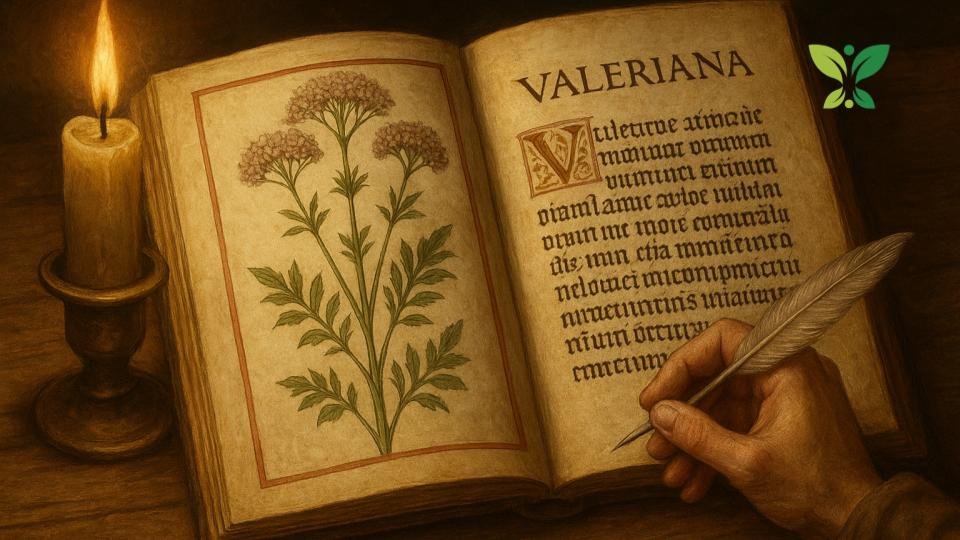
Valerian, a plant associated with peace and rest, was not only used in daily life but also recorded in the manuscripts of scholars and healers across centuries. These manuscripts, preserved in monasteries and libraries, reveal how valerian earned a respected place in the written tradition of Europe and beyond. Exploring these ancient texts gives us a window into how valerian was understood, described, and valued in history.
The Tradition of Manuscripts in Antiquity
Before the printing press, knowledge was transmitted through handwritten manuscripts. These texts often included illustrations, descriptions, and notes about plants. Copyists and scholars carefully preserved information from earlier generations, ensuring that herbs like valerian were remembered.
Such manuscripts were more than practical guides—they reflected cultural values, combining science, folklore, and spirituality. Within this tradition, valerian appeared as both a useful root and a symbol of calm.
Dioscorides and Early Mentions of Valerian
One of the earliest detailed sources on plants was De Materia Medica, written in the 1st century CE by Dioscorides, a Greek physician whose work influenced Roman and later medieval medicine. In this text, valerian—referred to as phu—was described for its distinct smell and calming associations.
The survival of Dioscorides’ work in countless copies, some richly illustrated, ensured that valerian remained part of botanical knowledge for centuries. Monks in the Middle Ages copied his texts faithfully, often adding local observations about how plants were used in their regions.
Pliny the Elder and Roman Records
Another important source is Pliny the Elder’s Natural History, a monumental encyclopedia written in the 1st century CE. Pliny mentioned various plants valued for their grounding and calming effects, including valerian. His work blended observation with cultural lore, showing how plants were embedded in daily life and ritual.
Through Pliny, we learn that valerian was not just an herb but part of the Roman worldview, connecting nature to human wellbeing.
Monastic Herbals of the Middle Ages
In the Middle Ages, monasteries preserved and expanded upon ancient writings. Manuscripts known as herbals contained detailed entries on plants, often illustrated with drawings to help readers recognize them.
Valerian appeared in many of these herbals, described as a root valued for evening use and nighttime calm. Some manuscripts also included notes on when to harvest the plant, with instructions tied to the lunar cycle or seasons.
These details show how spiritual beliefs and practical knowledge intertwined. Collecting valerian was not only an act of gardening but also part of a larger ritual of harmony with nature.
Illuminated Manuscripts and Valerian Imagery
Some manuscripts were not only informative but also artistic. Illuminated herbals featured colorful illustrations of plants, including valerian with its tall stems and clusters of small flowers.
These images served both practical and symbolic roles: they helped identify the plant in the field and also reinforced its cultural meaning. The presence of valerian in such works highlights its importance in the collective imagination of medieval Europe.
Valerian in Arabic Manuscripts
Knowledge of plants was not limited to Europe. Arabic scholars translated and expanded upon Greek and Roman texts, creating new works that circulated widely. Valerian appeared in some of these manuscripts, connecting its story to a broader global tradition of botanical study.
Through these translations, valerian traveled across cultures, ensuring its reputation as a plant associated with serenity reached even further.
The Legacy of Ancient Manuscripts
The manuscripts that mention valerian are more than relics—they are threads in a long chain of human curiosity about nature. They preserved a plant’s image and meaning, allowing generations to rediscover and reinterpret it.
Today, when valerian is prepared as a nightly infusion, it echoes the knowledge carefully recorded by scribes and scholars who saw it as worthy of remembrance.
A Written Testimony of Calm
The survival of valerian in ancient manuscripts shows how deeply people valued peace and rest. These texts are testimonies not only to the plant itself but also to the human desire to record, preserve, and share traditions of relaxation.
🌿 Continue your journey toward calm and balance 😴
Read also:








Publicar comentário