How Valerian Found Its Way Into Viking Traditions
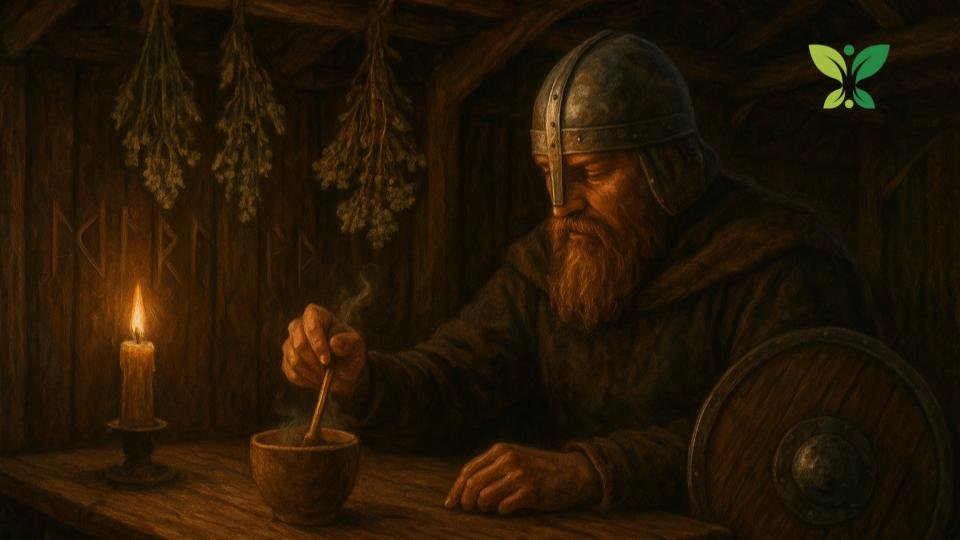
Valerian, a plant long associated with calm and nighttime rituals, made its way into many cultures across Europe. Among these were the Vikings, seafaring people known for their courage, exploration, and strong traditions. While often remembered for their battles and voyages, the Vikings also had rich herbal practices. Valerian found a place in their world, not only as a plant but as part of their beliefs about rest, dreams, and strength.
Viking Herbal Knowledge
The Vikings lived close to nature and relied heavily on plants for food, rituals, and healing practices. Much of their herbal knowledge was passed orally, though later sagas and medieval texts preserve fragments of this tradition.
Valerian, with its strong roots and distinctive scent, was valued for its role in calming the body and supporting rest. In a culture where long voyages and intense labor were part of life, herbs that encouraged peace were essential.
The Role of Valerian in Rest and Recovery
Life for Viking warriors and sailors was demanding. After long journeys at sea or exhausting battles, rest was necessary. Valerian infusions were believed to help restore calm after such periods of stress.
In some traditions, valerian roots were dried and carried as part of a seafarer’s kit, symbolizing a connection to home and peace even when far away. Drinking a warm infusion before sleep was seen as a way to recover both body and spirit.
Valerian and Viking Spiritual Beliefs
The Vikings placed great importance on dreams. Dreams were seen as messages from the gods or ancestors, guiding individuals in decisions and battles. Preparing for restful sleep, therefore, carried spiritual weight.
Valerian was sometimes used as part of rituals to encourage meaningful dreams. Whether taken as an infusion or burned in small amounts, it was thought to prepare the dreamer to receive visions from the divine.
Saga Mentions and Norse Lore
While valerian is not as commonly mentioned as other plants in Norse sagas, later records suggest that calming herbs had a role in household life. Valerian’s enduring reputation across Europe makes it likely that the Vikings, too, found ways to use it.
Herbs in Norse culture often had symbolic associations. Valerian’s strength as a root plant connected it to endurance and grounding, qualities admired in Viking society.
Valerian in the Viking Home
In everyday life, Viking households used herbs in cooking, rituals, and medicine. Women, in particular, played a key role in maintaining knowledge of plants. Valerian may have been cultivated in home gardens or gathered in the wild, stored for winter use when nights were long and harsh.
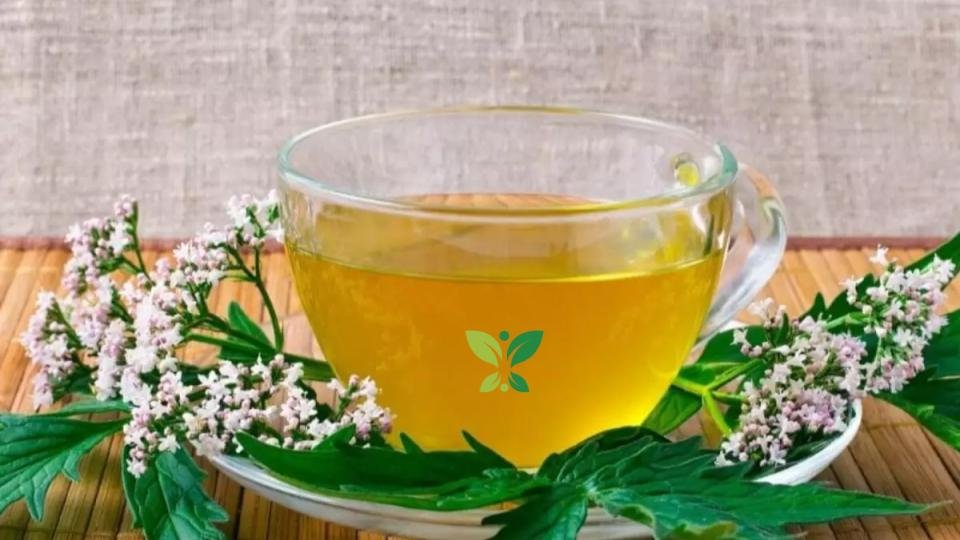
An evening infusion of valerian would have been more than a drink—it was part of the rhythm of family life, reinforcing bonds and bringing calm at the end of the day.
From Viking Times to Modern Use
The use of valerian among the Vikings reflects a universal human theme: the search for peace and rest. Even in a culture associated with strength and conquest, there was recognition of the importance of calm nights.
This balance between action and rest, between voyages and home, mirrors the qualities of valerian itself—grounded, steady, and connected to tranquility.
A Plant of Strength and Peace
Valerian’s presence in Viking traditions reminds us that even the fiercest societies valued the quiet moments of recovery and reflection. To the Vikings, it was not only a plant but a symbol of the harmony between endurance and relaxation.
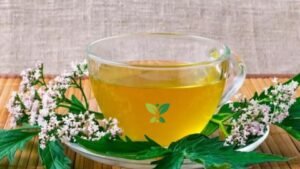
When valerian is prepared today as a nighttime infusion, it echoes these ancient practices, connecting us to a tradition that valued both strength and serenity.
🌿 Continue your journey toward calm and balance 😴
Read also:




Publicar comentário