How Valerian Was Used by the Romans for Peaceful Nights
Valerian is a plant that has been treasured across centuries, often linked with relaxation, serenity, and nightly rituals. In ancient Rome, it held a fascinating place in daily life. Far from being a forgotten herb, valerian was part of the Romans’ extensive knowledge of plants and their uses, blending practicality, ritual, and culture. Exploring how valerian was used in Rome reveals not only the habits of the past but also the historical roots of a tradition that continues to this day.
The Roman Fascination with Herbs
The Romans were passionate about plants. They inherited much of their botanical knowledge from the Greeks, especially through the writings of Hippocrates and Dioscorides. Roman scholars, soldiers, and physicians catalogued herbs meticulously, recording their benefits and cultural significance. Valerian (Valeriana officinalis) was among the plants recognized for its connection to calm and rest.
Roman gardens were not only places of beauty but also functional apothecaries. Families often kept small plots of medicinal plants, which were used for infusions, salves, and even spiritual rituals. Valerian, with its distinct aroma and long roots, earned a space in these gardens, valued as much for its practical uses as for its symbolism of peace.
Valerian in Roman Writings
Roman authors such as Pliny the Elder and Galen documented a wide range of plants. While valerian was not the most common herb, it appears in texts linked to its ability to encourage balance in the body and mind. Pliny described how certain roots were collected at specific times of the year, a ritual believed to preserve their full potency.
These writings suggest that valerian’s value was not only physical but also tied to tradition and ritual. The act of brewing an infusion at night was often as important as drinking it, with symbolic gestures reinforcing the intention of rest and relaxation.
Nighttime Infusions in Roman Households
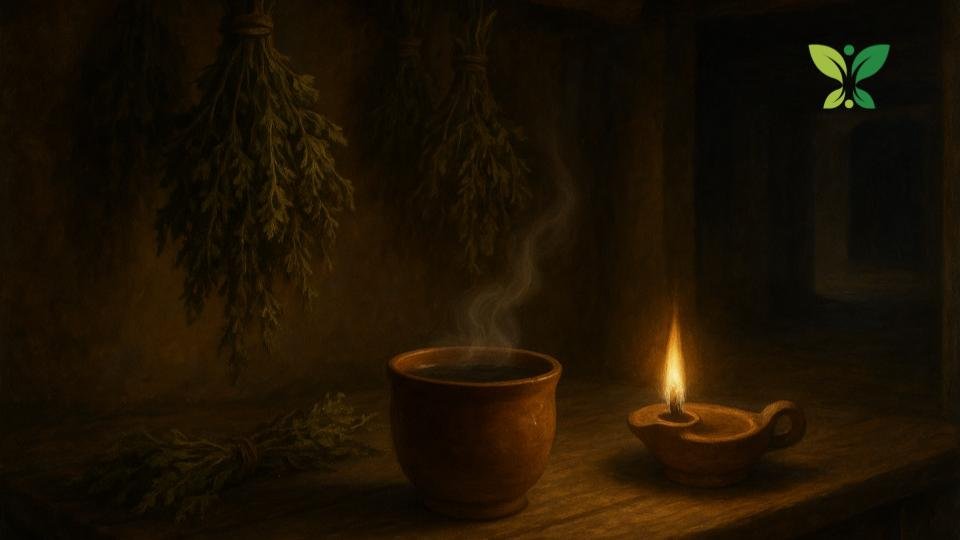
In Roman culture, evenings were moments of transition. After the bustle of trade, public forums, and social gatherings, families turned inward. Nighttime rituals often included warm drinks prepared from herbs. Valerian root was steeped in water to create a bitter but calming infusion.
Unlike today, when tea is an everyday beverage, in Rome, infusions were prepared with more ceremonial meaning. They were seen as a way to cleanse the body and prepare for sleep. Valerian was particularly valued for evenings when rest seemed elusive, and it became part of a larger routine of preparing the household for a peaceful night.
Valerian and Roman Beliefs About Sleep
For Romans, sleep was not only a physical necessity but also a sacred act. Dreams were seen as messages from the gods, and preparing the mind for rest was essential. Valerian, believed to bring serenity, was sometimes used before rituals involving sleep and dream interpretation.
Priests and healers often recommended calming herbs to those seeking clearer dreams. Valerian’s association with tranquility made it a fitting companion in these practices. Drinking a valerian infusion at night was seen as a way to encourage restful sleep and potentially more meaningful dreams.
Symbolism of Valerian in Roman Society
Beyond its practical uses, valerian carried symbolic meaning. Its strong scent and resilient roots made it a plant connected to endurance and stability. Families who grew valerian in their gardens often associated it with household harmony.
In some rural areas of the empire, valerian was hung in doorways or burned in small amounts to ward off tension and invite peace into the home. This dual role—both functional and symbolic—made valerian a unique plant in Roman society.
Valerian in Roman Medicine
Roman physicians often combined valerian with other herbs. It might be mixed with chamomile, mint, or fennel to create balanced infusions. While we must avoid framing it in modern medical terms, historical records show that valerian was part of recipes aimed at soothing the body after long days of labor.
The practice of combining valerian with other herbs also reflected the Roman approach to wellness: a balance of multiple influences rather than reliance on a single ingredient.
From Roman Times to Modern Nights
Although centuries have passed, the Roman tradition of using valerian at night is part of the plant’s enduring legacy. What began as a household ritual for peaceful evenings has transformed into a global practice of preparing valerian infusions for relaxation.
The Romans laid the groundwork for viewing valerian not only as a plant but as part of a lifestyle—one that values serenity at the close of day.
A Tradition That Endures
Valerian’s journey through Roman culture shows us that the search for rest and relaxation is timeless. While the methods may have evolved, the roots of the tradition remain the same. Each time a cup of valerian infusion is brewed at night, it carries echoes of the Roman households that once did the same, centuries ago.
🌿Continue exploring natural ways to fall asleep faster 😴
Read also:
⚠️ Disclaimer:
Content is for informational purposes only and is not medical advice. Consult a healthcare professional before use.











Publicar comentário