How Warriors Used Valerian to Recover Their Strength
Throughout history, warriors have sought not only weapons and armor but also ways to restore their strength after battle. In medieval Europe and earlier times, valerian was one of the plants connected with this recovery. Known for its association with calm and rest, valerian offered warriors a way to find balance after the strain of physical and emotional exertion.
The Life of a Warrior in the Past
Medieval warriors faced intense challenges: long campaigns, difficult marches, and exhausting combat. Beyond physical injuries, the strain of constant readiness for battle weighed heavily on them. For this reason, recovery rituals became as important as preparation.
Plants like valerian, linked with nighttime rest, became part of these practices. By encouraging peace of mind and restful sleep, valerian symbolized renewal after periods of hardship.
Valerian in the Warrior’s Camp
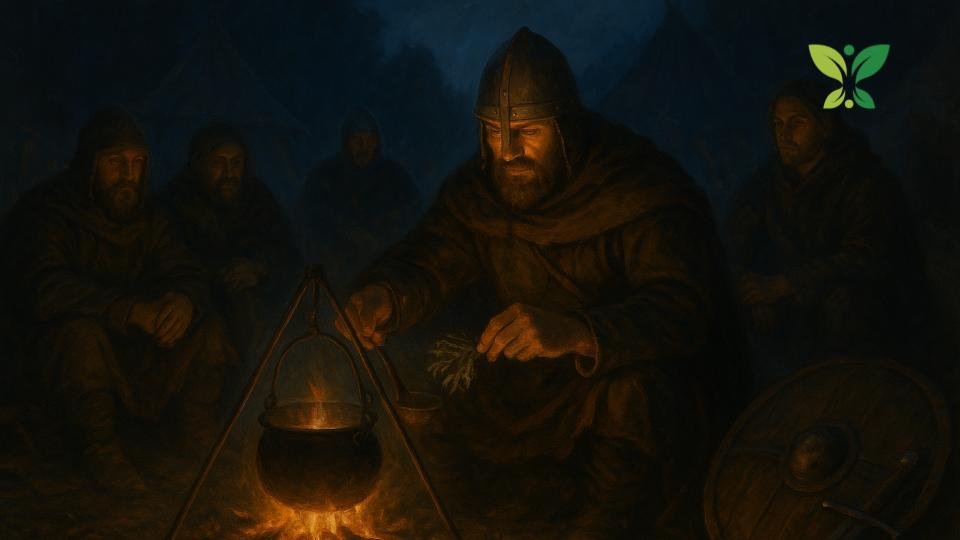
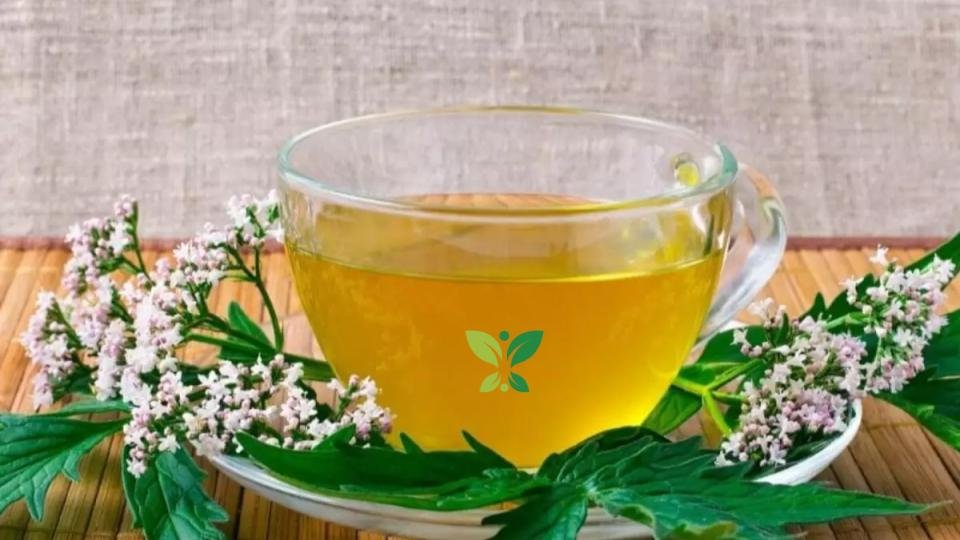
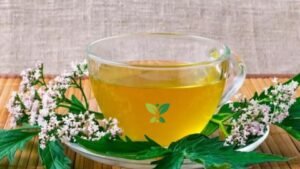
When armies camped between battles, they often relied on herbs for both healing and comfort. Valerian roots, dried and carried in small bundles, could be steeped in water to prepare an infusion. This practice was less about medicine in the modern sense and more about creating a ritual of calm in a world of chaos.
Sharing an infusion in the evening gave warriors not only physical relaxation but also a moment of community, reinforcing bonds among comrades.
Symbolic Role of Valerian
For warriors, valerian carried symbolic meaning. Its sturdy roots represented resilience, while its calming qualities reflected the peace they longed for after battle. In some traditions, valerian was even burned in small fires during rituals of cleansing, marking the transition from conflict to recovery.
The act of drinking valerian infusion was therefore both practical and symbolic—an acknowledgment that strength required moments of stillness as well as action.
Monastic Influence on Warrior Practices
Many warriors encountered valerian through monasteries, which cultivated and distributed the plant. Monks often offered infusions to weary travelers and fighters, teaching them the calming role of herbs. Over time, these practices spread into warrior culture itself.
The influence of monasteries ensured that valerian’s connection to peace reached even those most associated with conflict.
Valerian and the Warrior’s Household
When not on campaign, warriors returned to their homes, where valerian was often part of family gardens. Wives, mothers, and daughters maintained knowledge of plants, preparing infusions to help warriors rest after their return.
This domestic use reinforced valerian’s place as a bridge between the harshness of war and the safety of home.
Folklore and Warrior Traditions
Folklore often tied valerian to strength regained after hardship. Stories told of warriors who found renewal in the roots of the earth, with valerian symbolizing the ability to recover and rise again.
These stories preserved the idea that even the strongest needed rest, and that valerian was a gift from nature to provide it.
From Warrior Camps to Modern Evenings
The use of valerian by warriors shows a timeless truth: strength requires balance. Just as medieval fighters turned to valerian for recovery, modern individuals turn to it in search of calm at the end of demanding days.
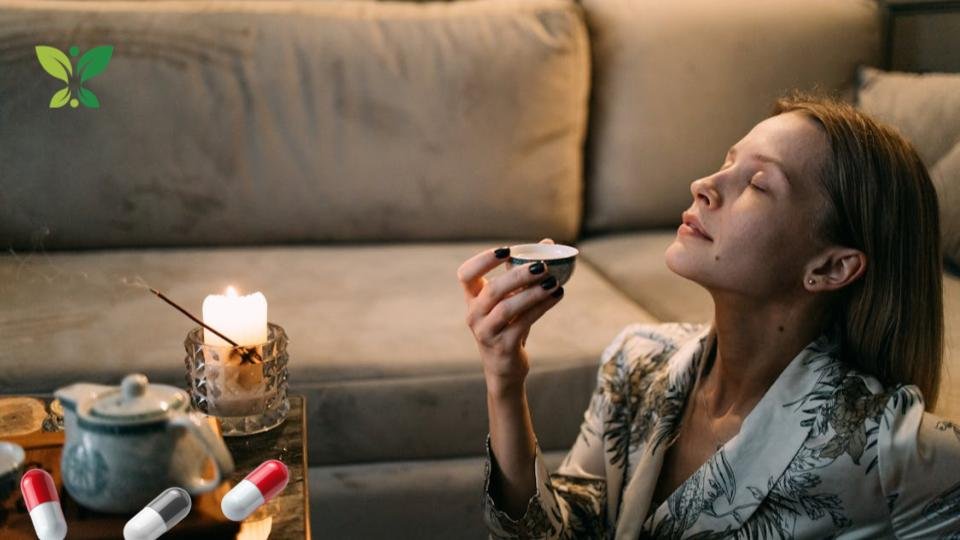
The rituals may look different, but the essence is the same: valerian remains a companion for those who need to regain peace after struggle.
A Root of Renewal
Valerian’s role in warrior traditions highlights the plant’s enduring symbolism as a source of rest. For men and women who lived through the violence of battle, it represented more than an herb—it was a ritual of renewal.
Each infusion prepared today continues this tradition, echoing the moments when warriors once set aside their swords to embrace calm.
🌿 Continue your journey toward calm and balance 😴
Read also:





Publicar comentário