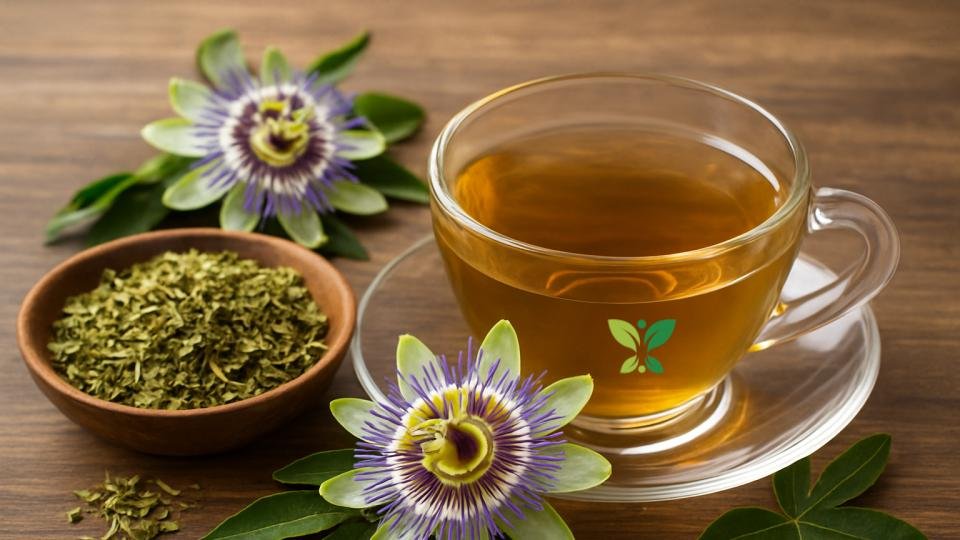
Passionflower: The Calming Herb for Relaxation and Sleep
Passionflower is a beautiful climbing plant known not only for its striking flowers but also for its calming qualities. For centuries, different cultures have used passionflower to ease tension, promote relaxation, and support restful sleep. Today, it remains a popular herbal option for people seeking a natural way to unwind.
This article explores the history, benefits, and practical uses of passionflower, with a focus on how it can support relaxation and healthy sleep.
A Brief History of Passionflower
Passionflower (Passiflora incarnata) is native to the southeastern United States, Central America, and South America. Indigenous peoples traditionally used the plant to calm the mind and body. Spanish explorers later introduced it to Europe in the 16th century, where it became a valued herb in natural remedies.
Its unique flowers also carry symbolic meaning, inspiring its name “passionflower” due to associations with religious imagery during the colonial era.
Why Passionflower Supports Relaxation
Passionflower contains natural compounds, including flavonoids and alkaloids, that are thought to interact with the brain’s neurotransmitters. While research is ongoing, traditional use suggests that passionflower may help with:
- Calming the mind after a stressful day
- Reducing restlessness in the evening
- Supporting better sleep quality
- Encouraging relaxation during times of tension
Many people describe passionflower as gentle yet effective, making it a popular ingredient in bedtime teas and herbal blends.
How to Use Passionflower
Passionflower can be consumed and enjoyed in several ways:
Tea
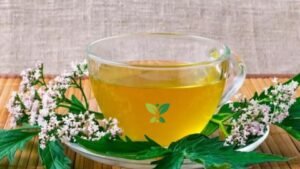
Passionflower tea is one of the most common methods. Dried leaves are steeped in hot water for 5–10 minutes. The flavor is mild and slightly earthy, often blended with herbs like valerian, chamomile, or lemon balm.
Capsules and Extracts
Supplements provide a convenient way to take a standardized amount of passionflower.
Liquid Tinctures
Concentrated extracts can be mixed into water or juice.
Herbal Blends
Passionflower is frequently included in calming tea blends designed for evening relaxation.
Passionflower and Sleep
One of passionflower’s most popular uses is as a natural sleep aid. Drinking a cup of passionflower tea in the evening can become a calming ritual that signals to the body it’s time to rest.
When paired with other healthy habits, such as limiting screen time and keeping a regular bedtime, passionflower may help create a deeper and more restorative sleep cycle.
Passionflower and Stress Relief
In addition to sleep, passionflower is often used to ease occasional stress. Its gentle calming effect may help people who feel overwhelmed during the day or have difficulty relaxing after work. Some individuals sip passionflower tea in the late afternoon to create a peaceful transition into evening hours.
Combining Passionflower With Other Herbs
Passionflower works well when combined with other relaxing herbs:
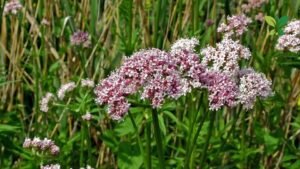
- Valerian root: for stronger support in easing restlessness
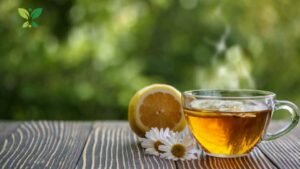
- Chamomile: for a mild and comforting bedtime tea
- Lemon balm: for stress relief and improved mood
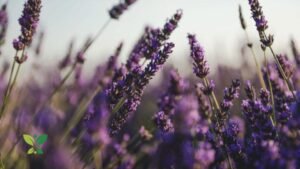
- Lavender: for its soothing aroma and relaxation benefits
These blends create well-rounded options for relaxation and sleep support.
Things to Keep in Mind
Passionflower is generally considered safe for most people, but there are some important considerations:
- It may interact with certain medications, especially sedatives.
- Pregnant or breastfeeding individuals should consult a healthcare professional before use.
- As with all herbs, it is best to start with small amounts to see how your body responds.
Creating a Relaxation Ritual With Passionflower
For the best results, passionflower should be part of a larger bedtime routine. A relaxing ritual might include:
- Drinking passionflower tea an hour before bed
- Reading a calming book or journaling
- Practicing breathing exercises or meditation
- Dimming the lights to signal bedtime
Together, these steps create a supportive environment for rest and relaxation.
Final Thoughts
Passionflower has a long history as a natural herb for calming the mind and supporting sleep. Its gentle effects, pleasant flavor, and versatility make it a valuable addition to a healthy lifestyle.
Whether enjoyed as a tea, supplement, or blend, passionflower can be a natural companion on the journey to more peaceful nights and calmer days.
🌿Continue exploring natural ways to fall asleep faster 😴
Read also:
⚠️ Disclaimer:
Content is for informational purposes only and is not medical advice. Consult a healthcare professional before use.





Publicar comentário