
The Forgotten Secret of Valerian: How Ancient Civilizations Used It for Sleep
For centuries, humans have searched for ways to achieve deep, restorative sleep. While modern society often turns to pharmaceutical solutions, our ancestors relied on the natural world around them. One of the most fascinating discoveries from the past is Valerian (Valeriana officinalis), a humble root with an extraordinary reputation as a sleep aid. Its story stretches back thousands of years, weaving through cultures, rituals, and medicinal practices.
In this journey, we’ll uncover how ancient civilizations recognized valerian as a tool for rest, relaxation, and balance, and why its legacy continues to matter today.
A Root Discovered in the Soil of Ancient Greece
Valerian’s earliest documented use dates back to ancient Greece. Physicians like Hippocrates described the plant for its calming effects, recommending it for conditions ranging from nervousness to insomnia. Later, Galen, another influential Greek physician, praised valerian as a natural sedative.
The Greeks believed that the root carried not just physical benefits but also spiritual ones. It was often used in rituals to promote peace of mind, suggesting that sleep was more than just rest—it was a sacred act of renewal.
Roman Trust in a Calming Herb
The Romans were great adopters of Greek knowledge, and valerian was no exception. Records show that it was commonly prescribed for restlessness, trembling, and difficulty sleeping. Roman herbalists boiled the root into infusions or crushed it into tonics.
Interestingly, valerian was also valued for its versatility. Beyond sleep, it was seen as a remedy for headaches and digestive issues, making it a household staple in Roman apothecaries.
Valerian in the Middle Ages: A Herb for Body and Spirit
During the Middle Ages, valerian’s role expanded into European folk medicine. It was used to treat everything from seizures to nervous disorders, but sleep remained its most common application. Monks in monasteries often prepared valerian tea before evening prayers, believing it encouraged serenity and devotion.
In rural traditions, valerian was thought to ward off evil spirits. Roots were sometimes hung in homes as protective charms. This highlights how sleep, health, and spirituality were deeply intertwined in medieval culture.
Viking Warriors and the Hidden Role of Valerian
One of the most surprising historical connections comes from the Vikings. While often remembered for their fierce battles, historical accounts suggest they also recognized valerian’s calming power. Some scholars believe warriors used it to steady their nerves before combat and to rest deeply after long journeys.
This dual use—as both a calming aid and recovery tool—shows the plant’s unique versatility across different lifestyles.
Traditional Chinese Medicine and Valerian
While valerian is native to Europe and Asia, it also found a place in Traditional Chinese Medicine (TCM). Practitioners considered it useful for balancing the body’s energy, or Qi, particularly in calming an overactive mind. It was often combined with other herbs to create holistic remedies that targeted both physical and emotional imbalances.
For Chinese healers, valerian wasn’t simply about sleep—it was about restoring harmony between the body and spirit.
How Ancient Preparations Were Made
Unlike modern capsules and standardized extracts, ancient civilizations prepared valerian in simple yet effective ways. Common methods included:
1. Herbal Infusions
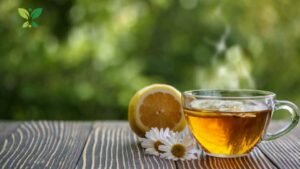
Roots were boiled in water to make teas, often consumed before bedtime.
2. Powders and Tonics
Dried valerian roots were ground into powders and mixed with honey or wine for easier consumption.
3. Poultices
Some cultures applied crushed valerian externally, believing it calmed the nerves through skin absorption.
4. Spiritual Rituals
Valerian roots were burned or placed near sleeping areas, believed to purify energy and encourage peaceful dreams.
Why Ancient Wisdom Still Matters Today
Despite centuries of progress in medicine, valerian has never lost its relevance. Modern research continues to validate what our ancestors intuitively knew—that valerian root interacts with the nervous system to promote calm and improve sleep quality.
Unlike synthetic sleeping pills, valerian offers a gentler, more natural approach. Its legacy proves that sometimes the most powerful remedies come not from laboratories, but from traditions passed down through generations.
Bringing Ancient Practices Into Modern Life
Adapting ancestral wisdom doesn’t require complicated rituals. Here are a few simple ways to incorporate valerian into a modern lifestyle:
- Evening Tea Ritual → Brew valerian root tea an hour before bed to signal your body it’s time to rest.
- Mindful Bedtime Routine → Pair valerian tea with calming practices like journaling or meditation.
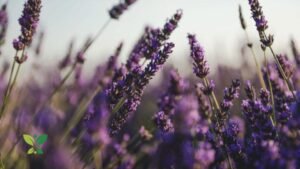
- Herbal Blends → Combine valerian with chamomile, lemon balm, or lavender for an even stronger relaxing effect.
By reconnecting with these time-tested practices, you can transform sleep into something more intentional and restorative.
A Timeless Gift for Rest
Valerian is more than just a root—it is a bridge between the past and present, reminding us that the search for rest is as old as humanity itself. From the Greeks to the Vikings, from medieval monks to modern wellness enthusiasts, this unassuming plant has carried with it the promise of calm nights and renewed mornings.
Perhaps the real secret is not that valerian helps us sleep, but that it teaches us to respect the ritual of rest. And in a world where sleep is often sacrificed for productivity, remembering this ancient wisdom may be the key to finding balance again.
🌿Continue exploring natural ways to fall asleep faster 😴
Read also:
⚠️ Disclaimer:
Content is for informational purposes only and is not medical advice. Consult a healthcare professional before use.







Publicar comentário