The Herbal Guardians of Medieval Europe: Why Valerian Was Treasured in Monastery Gardens
Walking through the cloisters of a medieval monastery, one would have found not just prayer and silence, but also thriving gardens carefully tended by monks. These were no ordinary gardens. They were repositories of medical knowledge, sanctuaries of healing, and reflections of the belief that God had placed remedies for every ailment within nature. Among the many plants that grew in these sacred spaces, valerian root held a special status. Known for its calming effects on the mind and body, valerian was more than a herb; it was a bridge between faith, medicine, and survival in an era marked by uncertainty.
Monastery Gardens: The Hospitals of the Middle Ages
In medieval Europe, monasteries were more than religious centers. They were hospitals, schools, and cultural hubs where literacy and science survived through turbulent centuries. With limited access to physicians and formal medicine, ordinary people relied on monks for treatments.
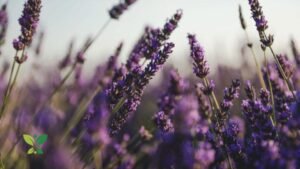
Herbal gardens—often called hortus conclusus (enclosed gardens)—were designed with precision. Plants were organized by their uses: some for digestion, others for wounds, many for calming the spirit. Valerian often grew alongside chamomile, lavender, and sage, forming what could be considered the first natural pharmacies of Europe.
Why Valerian Was Essential
Life in the Middle Ages was fraught with challenges: harsh living conditions, wars, plagues, and famine. Anxiety and sleeplessness were not modern inventions; they were daily struggles for medieval communities. Valerian’s ability to soothe restlessness made it indispensable.
The herb was used to:
- Calm insomnia caused by stress or illness.
- Ease tension and anxiety, especially during epidemics or wartime.
- Relieve headaches and trembling, often linked to nervous exhaustion.
- Assist in recovery by promoting deeper sleep and restoring strength.
For monks who lived under strict schedules of prayer, study, and labor, valerian may also have been a quiet ally in maintaining mental clarity and resilience.
Valerian in Monastic Texts
The medical knowledge of monasteries was carefully recorded in manuscripts. Works like the Capitulare de villis (issued under Charlemagne in the 9th century) listed medicinal plants that were to be cultivated in imperial estates, including valerian. Later, in the famous herbals of Hildegard of Bingen, valerian was praised for its ability to calm the overworked mind and harmonize the humors of the body.
Hildegard, a Benedictine abbess, visionary, and healer, wrote that valerian could “warm the heart and quiet the soul,” demonstrating how deeply this plant was woven into both spiritual and medical frameworks.
Spiritual Meaning of Healing Herbs
In medieval Europe, healing was never separated from faith. Herbs like valerian were seen as divine gifts, and their use often combined prayer with practical medicine. Monks would recite blessings over the plants, believing that healing came not only from the compounds within the roots but also from the grace of God.
Valerian’s calming nature mirrored Christian ideals of peace and surrender. In times of fear—whether due to plague, war, or personal struggle—taking valerian was not just a remedy; it was an act of trust in divine providence.
Monastery Gardens as Knowledge Hubs
The monasteries’ role in preserving and transmitting knowledge cannot be overstated. By cultivating valerian and documenting its effects, monks ensured that its reputation survived centuries. They copied ancient Greek and Roman medical texts, adding their own observations from practice.
For example:
- Recipes for valerian-based tonics were passed down, often mixed with honey or wine to mask its pungent taste.
- Some monasteries created sleep-inducing pillows, stuffed with valerian root, lavender, and hops.
- Valerian was also used in poultices to reduce inflammation or trembling, expanding its reputation beyond sleep remedies.
These practices reveal an early form of what we now call holistic medicine.
Valerian and the Humoral Theory
Medieval medicine was guided by the humoral theory, inherited from the Greeks, which stated that health depended on balancing four bodily fluids: blood, phlegm, yellow bile, and black bile.
Valerian was considered a warming and moistening herb, used to counteract excess coldness and dryness in the body—conditions thought to cause insomnia, melancholy, or nervous disorders. This classification made it a versatile remedy in the monk’s toolkit.
Lessons from the Monastic Tradition
Why was valerian so treasured in monastery gardens? The answer lies in how the monks viewed healing:
- Practical necessity – Sleep was essential for survival, and valerian helped ensure rest.
- Spiritual alignment – A calm body supported prayer, meditation, and devotion.
- Knowledge preservation – By growing and recording valerian’s uses, monasteries ensured future generations had access to its benefits.
- Holistic healing – Treatments combined body, mind, and spirit, something modern medicine is only now beginning to revisit.
Bringing Medieval Wisdom into Today
Though centuries separate us from the monks of medieval Europe, their insights remain strikingly relevant. Here are a few ways their traditions can inspire modern practices:
- Valerian tea rituals – Just as monks prepared herbal infusions at set times, creating a consistent bedtime tea ritual can help signal the body to wind down.
- Natural sleep aids – Herbal sleep pillows stuffed with valerian, lavender, and chamomile can still be made today, offering a sensory cue for rest.
- Holistic mindset – The monks treated sleep not as an isolated issue but as part of overall well-being—a lesson modern life urgently needs.
- Balance and rhythm – Like the monastic schedule of prayer and rest, building structured routines supports the body’s natural circadian rhythm.
A Legacy Rooted in Peace
Valerian’s presence in monastery gardens was no accident. It symbolized a union of science, faith, and compassion, growing quietly among stone walls that sheltered knowledge through Europe’s darkest times.
When we drink valerian tea today or take it as a supplement, we are participating in a legacy that spans centuries. Each root carries with it not only chemical compounds that soothe the nervous system, but also the whispers of monks who saw in this humble plant a way to ease human suffering and restore inner peace.
In many ways, the real treasure of valerian lies not only in what it does for the body but in what it represents: a timeless reminder that healing begins when we honor the harmony between nature, rest, and spirit.
🌿Continue exploring natural ways to fall asleep faster 😴
Read also:
⚠️ Disclaimer:
Content is for informational purposes only and is not medical advice. Consult a healthcare professional before use.








Publicar comentário