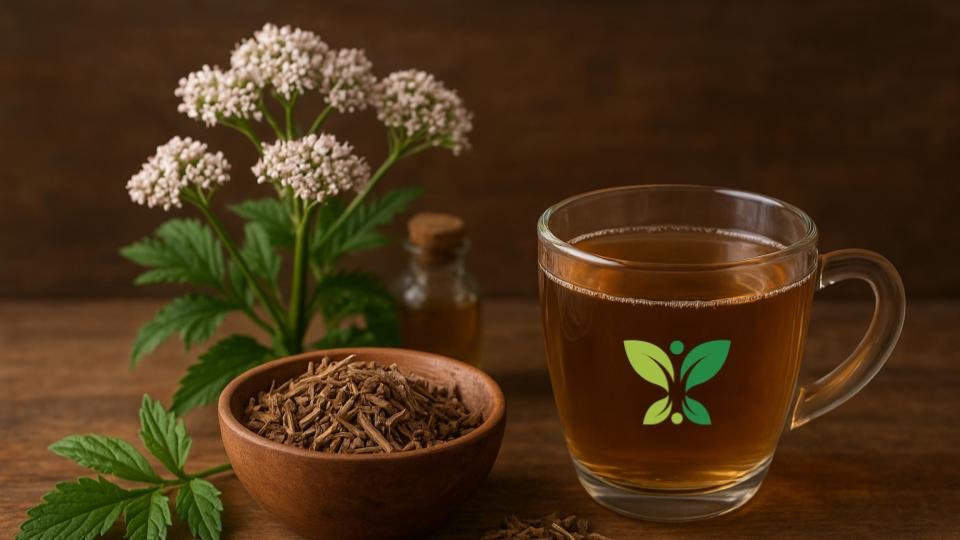
Valerian: How This Herb Can Help With Relaxation
For centuries, people have turned to plants as natural allies for better health and peace of mind. Among them, valerian has gained a reputation as one of the most popular herbs to support relaxation. From ancient Greece to modern tea blends, valerian is valued for its calming properties that may help reduce stress, ease restlessness, and promote a sense of tranquility.
In today’s fast-paced world, where sleepless nights and busy schedules are all too common, many people are curious about how valerian can support a more balanced lifestyle.
In this article, we will explore the history of valerian, its traditional uses, possible benefits, and how it can fit into a healthy relaxation routine.
A Brief History of Valerian
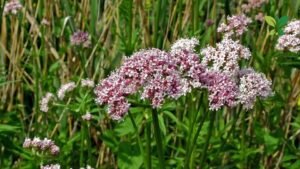
Valerian (Valeriana officinalis) is a perennial plant that grows in parts of Europe, Asia, and North America. Its roots have been used for hundreds of years as a natural calming remedy. Ancient Greek physicians, such as Hippocrates, described its potential for easing restlessness. By the Middle Ages, valerian was a common household plant used in teas and tinctures.
Over time, it became known as a “nature’s tranquilizer” in traditional practices. While science continues to study its full effects, valerian remains popular worldwide, especially as a tea, capsule, or extract.
Why Valerian Is Linked to Relaxation
The main reason valerian is associated with relaxation lies in the natural compounds found in its roots. These include valerenic acid, isovaleric acid, and antioxidants, which are believed to interact with the nervous system. While valerian is not a sedative in the medical sense, many people report that it helps them:
- Reduce feelings of tension after a stressful day
- Create a calming pre-sleep ritual
- Relax their muscles and mind in the evening
Although experiences vary, these traditional uses explain why valerian is often included in bedtime teas and relaxation blends.
How Valerian Is Commonly Consumed
Valerian is versatile and can be enjoyed in several forms. Some of the most popular include:
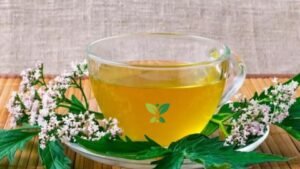
Herbal Tea
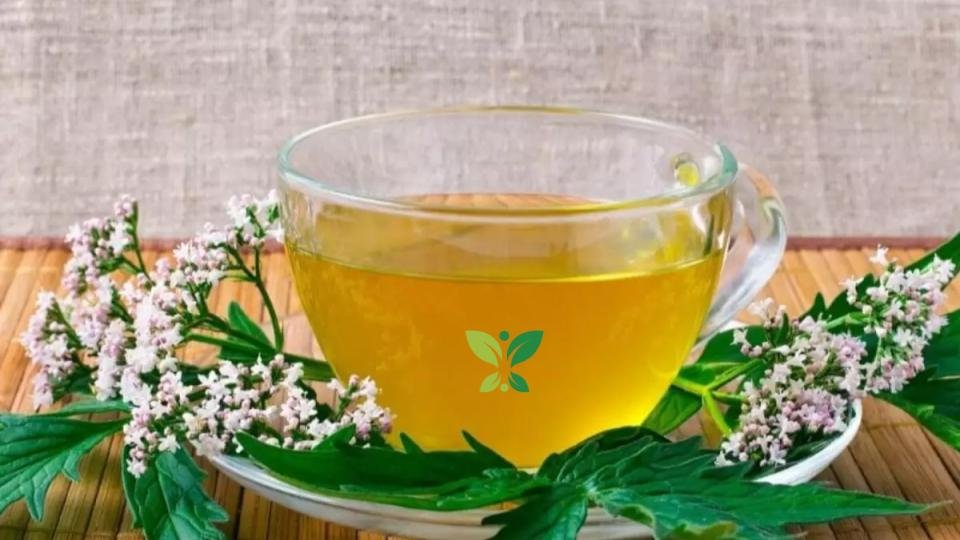
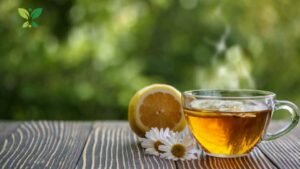
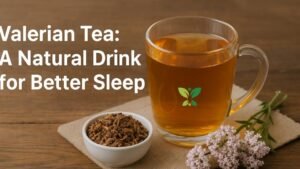
Brewing valerian root tea is a classic way to consume it. The taste can be strong and earthy, so many blends mix valerian with chamomile, lavender, or lemon balm to create a smoother flavor.
Capsules or Tablets
For people who prefer convenience, valerian is available as a supplement in capsule or tablet form. This option provides a more standardized amount of valerian extract.
Liquid Extracts
Valerian extracts can be added to water or juice. They are often concentrated, so only a few drops are needed.
Aromatherapy and Bath Products
While not as common, some relaxation products such as bath soaks and essential oil blends may include valerian for a soothing atmosphere.
Valerian in Daily Life
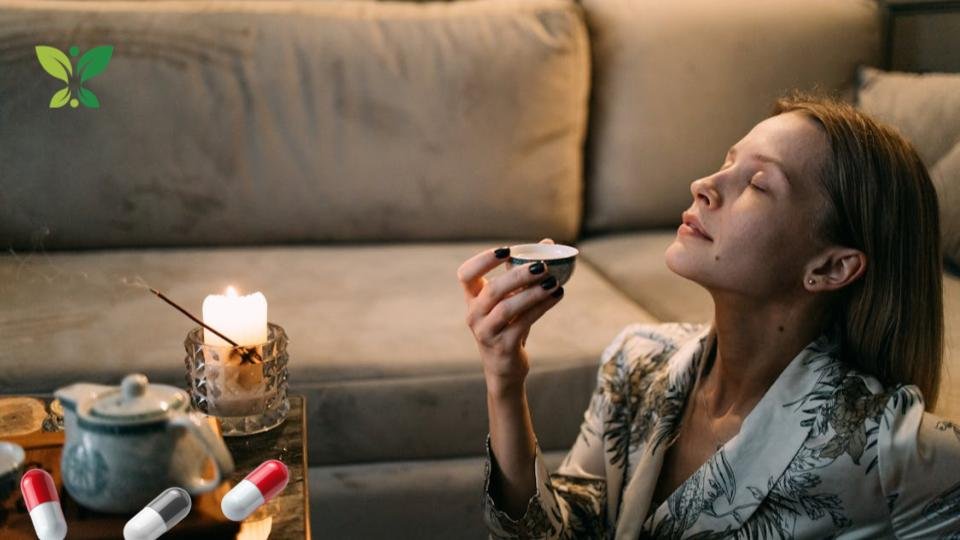
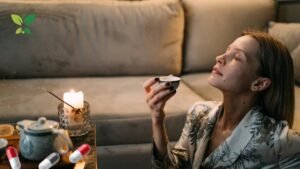
Adding valerian to your routine can be simple. Many people drink a valerian-based tea about an hour before bedtime to create a calming ritual. Others may use it in the late afternoon, especially after a stressful workday.
To enhance its effects, valerian can be combined with lifestyle practices such as:
- Turning off electronic devices before bedtime
- Practicing deep breathing or meditation while sipping tea
- Creating a relaxing sleep environment, with soft lighting and quiet music
These small habits, when paired with valerian, may encourage better relaxation.
Combining Valerian With Other Relaxing Herbs
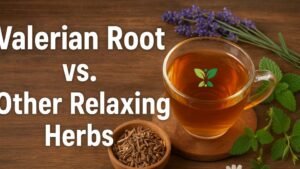
Valerian is often blended with other herbs known for their calming qualities. Some common combinations include:
- Chamomile – famous for its gentle soothing effect
- Lemon balm – known for easing stress and improving mood
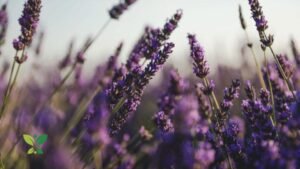
- Lavender – valued for its aroma and relaxing properties
- Passionflower – often used to support sleep quality
Together, these herbs may create a balanced mix that supports relaxation from multiple angles.
Things to Keep in Mind
While valerian is widely used, it’s important to approach it with mindfulness. Here are a few points to remember:
- Individual response varies: some people find valerian very effective, while others may notice little difference.
- Consistency matters: valerian may be more helpful when used regularly as part of a calming routine.
- Check for interactions: if you are taking medication or have health conditions, consult a healthcare professional before using valerian supplements.
- Start with small amounts: beginning with a mild tea or a low-dose supplement allows you to see how your body responds.
Building a Relaxation Lifestyle
Herbs like valerian are most effective when paired with healthy habits. For instance:
- Practicing mindfulness and gentle stretching before bed
- Keeping a regular sleep schedule
- Limiting caffeine and screen time in the evening
- Creating a relaxing environment with dim lighting and comfortable bedding
Valerian can serve as a natural addition to these practices, helping you unwind and enjoy a calmer state of mind.
Final Thoughts
Valerian has stood the test of time as a trusted herb for relaxation. While it is not a magic solution, it can be a valuable part of a balanced lifestyle that prioritizes rest and well-being. Whether enjoyed as a soothing tea or included in an evening routine, valerian continues to be a gentle companion for those seeking peace in their daily lives.
By combining valerian with mindful habits and other calming plants, you can create rituals that promote relaxation and support more restful nights.
🌿Continue exploring natural ways to fall asleep faster 😴
Read also:
⚠️ Disclaimer:
Content is for informational purposes only and is not medical advice. Consult a healthcare professional before use.



Publicar comentário