Valerian in Traditional Chinese Writings About Rest and Balance
Valerian is often linked with European traditions, but its story also crosses into the East, where balance, harmony, and the power of plants were central to cultural life. In traditional Chinese writings, the values associated with valerian align with long-held ideas about rest, tranquility, and the natural cycles of life. Exploring this connection shows how the plant was understood within a world that emphasized harmony between body, spirit, and nature.
The Place of Plants in Ancient China
China has one of the oldest traditions of written knowledge about plants. Texts like the Shennong Bencao Jing (Divine Farmer’s Classic of Materia Medica) recorded plants and their qualities, blending observation with philosophy.
While valerian itself is native to Europe and Asia, its qualities of calm and grounding mirrored the attributes of plants described in Chinese works. The practice of cataloguing and valuing plants for their role in achieving balance made valerian a natural fit when it became known through cultural exchanges along trade routes.
Rest and Balance in Chinese Philosophy
Chinese philosophy, especially Daoist thought, emphasized harmony between yin and yang. Rest was not simply the absence of activity but a vital state of renewal that kept life in balance. Plants that encouraged peace, serenity, and stillness were valued as allies in maintaining this equilibrium.
Valerian’s associations with nighttime rituals connected it symbolically with yin energy, the calm, receptive force in nature. Preparing an infusion at night would have fit seamlessly into these practices of balance.
Trade Routes and the Spread of Valerian
The Silk Road carried not only goods but also ideas and plants. As valerian spread eastward, it entered the awareness of Chinese scholars and healers. It was appreciated for its connection to tranquility, aligning with traditions that already valued plants promoting rest.
These exchanges enriched the diversity of plants recorded in Chinese texts, showing how interconnected the ancient world was.
Nighttime Rituals and Valerian’s Symbolism
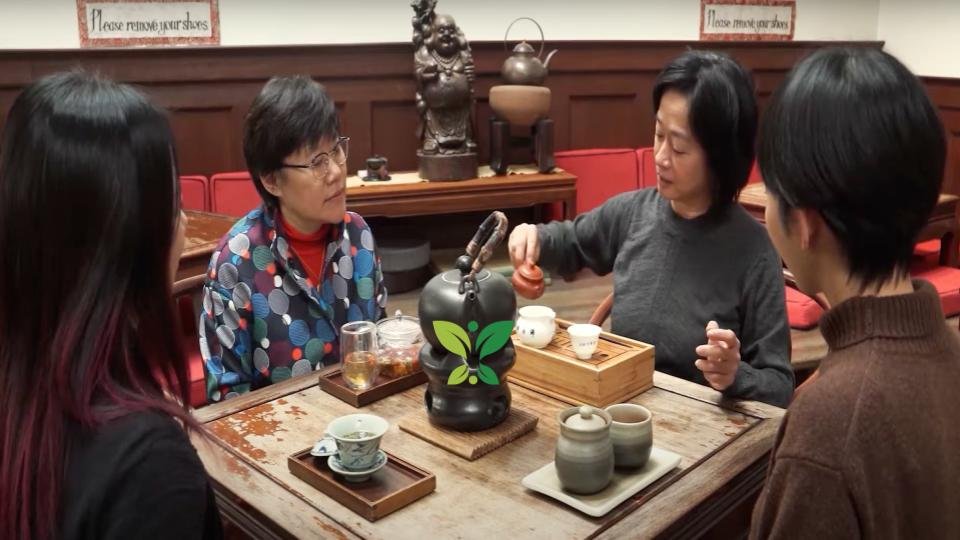
In Chinese tradition, evenings were times of slowing down, reflection, and connection with family. Infusions of calming herbs were part of these rituals, often shared at the end of the day. Valerian, with its reputation for inviting relaxation, carried symbolic weight in this context.
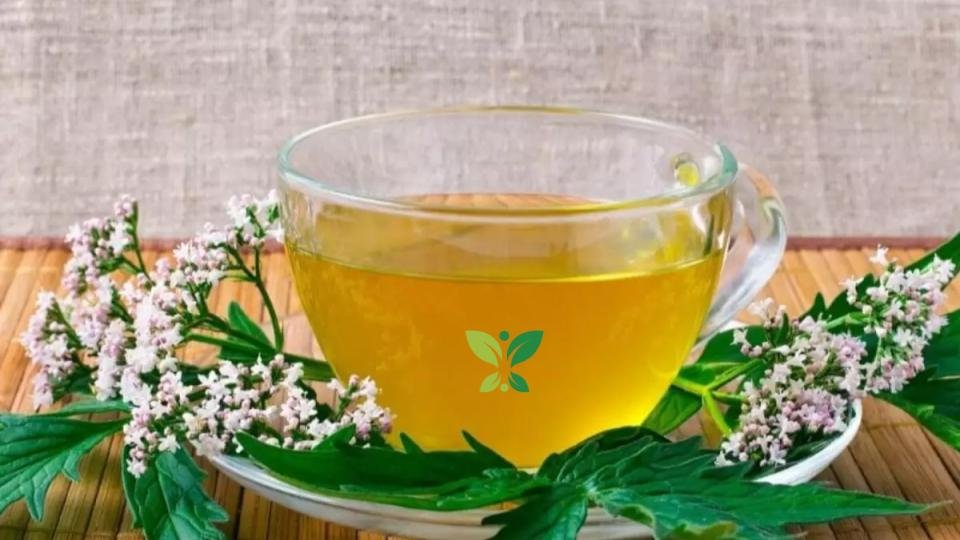
The act of steeping roots in hot water mirrored broader cultural practices that honored simplicity and the natural essence of plants.
Writings That Echo Valerian’s Qualities
Even when not named directly, many Chinese writings reference plants with qualities identical to valerian: calming, grounding, and supportive of meaningful rest. This suggests that valerian, once introduced, would have been recognized as belonging to this respected category.
Its qualities were not seen as foreign but as part of the universal language of nature.
Valerian in the Broader Tradition of Harmony
Chinese texts often stressed that plants should not be viewed in isolation but as part of a greater whole. Valerian, then, was not simply a plant for rest—it was part of a philosophy that linked every aspect of life: day and night, activity and stillness, work and renewal.
This worldview ensured that valerian was seen as more than useful—it was meaningful.
From Ancient China to the Present
The connection between valerian and Chinese traditions shows how plants bridge cultures. The qualities that made valerian valued in Europe—peace, rest, and balance—resonated deeply with Chinese ideas.
Today, when valerian tea is prepared, it reflects not just one culture’s heritage but a global story of seeking calm through nature.
Harmony Across Borders
Valerian’s presence in Chinese writings illustrates the timeless human search for rest. It shows that across continents and centuries, people valued the same qualities: peace at night, balance in life, and the quiet strength of plants.
🌿 Continue your journey toward calm and balance 😴
Read also:






Publicar comentário