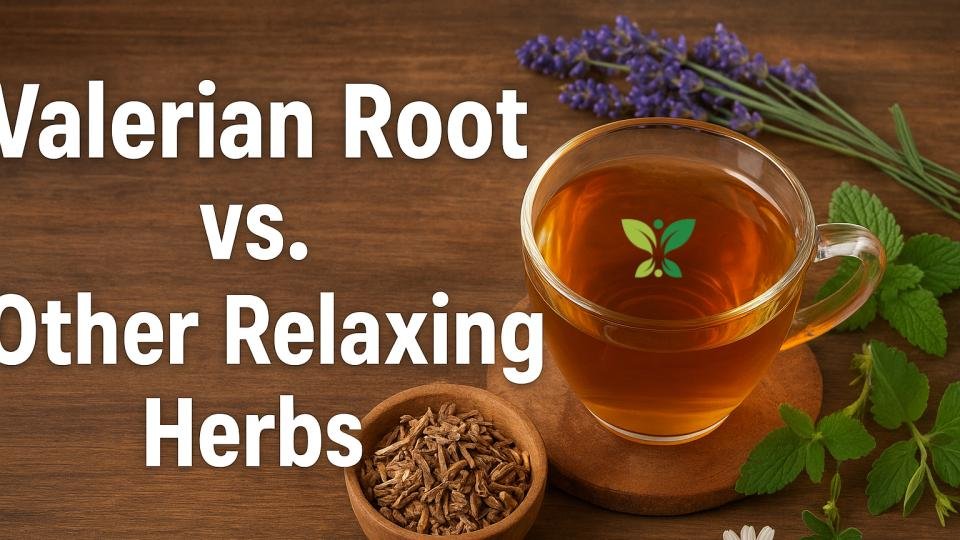
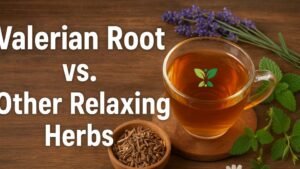
Valerian Root vs. Other Relaxing Herbs
Herbal remedies have been used for centuries to calm the mind and body. Among them, valerian root is one of the most popular, but it is not the only option. Chamomile, lavender, lemon balm, and passionflower are also widely recognized for their relaxing properties. Understanding how valerian compares to these herbs can help you choose the best natural aid for your needs.
What Makes Valerian Unique
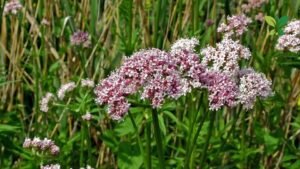
Valerian root (Valeriana officinalis) is often called “nature’s tranquilizer” because of its calming effects. Its main active compounds, such as valerenic acid, are believed to influence the GABA system in the brain, which helps reduce nervous activity.
Unlike some herbs that focus mainly on soothing the stomach or improving mood, valerian is especially associated with:
- Better sleep quality
- Reduction of restlessness
- Calming of mild anxiety
Comparing Valerian with Other Relaxing Herbs
Valerian vs. Chamomile
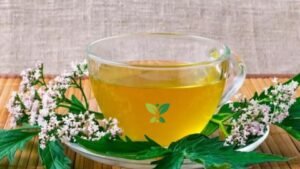
Chamomile is well-known for its gentle, floral tea and digestive benefits. While chamomile is excellent for light relaxation and easing stomach discomfort, valerian tends to be stronger when it comes to promoting sleep and reducing tension.
Valerian vs. Lavender
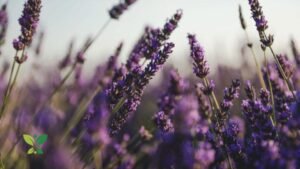
Lavender is often used in aromatherapy for its soothing scent. It helps create a calm environment and is useful for reducing stress during the day. Valerian, on the other hand, is more effective when taken as a supplement or tea for nighttime relaxation.
Valerian vs. Lemon Balm
Lemon balm has a refreshing, citrusy taste and is often used in teas to improve mood and reduce irritability. While lemon balm is uplifting, valerian provides deeper relaxation, especially for those with sleep difficulties.
Valerian vs. Passionflower
Passionflower works in a way similar to valerian by supporting GABA activity in the brain. It is often used for nervousness and mild insomnia. Some people find passionflower milder, while valerian can be more potent for sleep-related concerns.
Blending Valerian with Other Herbs
Valerian does not need to be used alone. In fact, it is often combined with other herbs for a stronger effect:
- Valerian + Chamomile: A calming tea that helps digestion and relaxation.
- Valerian + Lavender: A soothing blend for stress relief.
- Valerian + Lemon Balm: Great for relaxation with a refreshing taste.
- Valerian + Passionflower: Often found in supplements targeting sleep.
These combinations can be more effective than a single herb on its own.
Safety Considerations
When using valerian or any other relaxing herb:
- Start with small amounts to see how your body responds.
- Avoid combining herbs with alcohol or strong sedatives.
- Check with a healthcare provider if you are pregnant, breastfeeding, or taking medication.
Choosing the Right Herb for You
Each herb has its own unique strengths:
- Chamomile: Gentle and soothing, great for digestion.
- Lavender: Ideal for calming the senses during the day.
- Lemon Balm: Refreshing and mood-lifting.
- Passionflower: Mild aid for nervousness.
- Valerian: Stronger support for sleep and deep relaxation.
A Balanced Approach to Herbal Relaxation
Valerian root stands out as one of the most effective herbs for sleep and anxiety relief, but other herbs provide unique benefits that may suit different needs. Whether used alone or in combination, these natural remedies can bring more calm and balance into everyday life.
🌿Continue exploring natural ways to fall asleep faster 😴
Read also:
⚠️ Disclaimer:
Content is for informational purposes only and is not medical advice. Consult a healthcare professional before use.




Publicar comentário