
Valerian Tea for Insomnia: Does It Really Work?
Insomnia is one of the most common sleep disorders in the world, affecting millions of people across all ages. Difficulty falling asleep, staying asleep, or waking up too early can have a serious impact on daily life. While medications exist, they often come with side effects and the risk of dependency. This has led many people to seek out natural alternatives, with valerian tea being one of the most popular remedies.
But does valerian tea really work for insomnia? Let’s take a closer look at the science, traditions, and practical experiences behind this herbal solution.
What Is Valerian Tea?
Valerian (Valeriana officinalis) is a flowering plant native to Europe and parts of Asia. For centuries, its root has been used to treat nervousness, anxiety, and sleep problems.
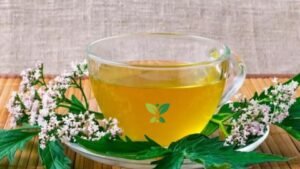
Valerian tea is made by steeping dried valerian root in hot water, creating a warm infusion with a strong, earthy taste. Despite its distinct flavor, it has become one of the most trusted natural sleep aids worldwide.
Understanding Insomnia
Insomnia can appear in many forms:
- Trouble falling asleep (sleep latency)
- Waking up during the night
- Restless or light sleep
- Waking up too early and being unable to go back to sleep
The causes range from stress and poor sleep habits to medical conditions. Regardless of the reason, insomnia can lead to fatigue, lack of concentration, irritability, and even long-term health risks if left untreated.
How Valerian Tea Works in the Body
Valerian root is thought to work by increasing gamma-aminobutyric acid (GABA) levels in the brain. GABA is a neurotransmitter responsible for calming nerve activity. Higher GABA levels can help:
- Reduce feelings of anxiety
- Relax the body and muscles
- Shorten the time it takes to fall asleep
- Improve the depth and quality of sleep
This natural calming effect makes valerian tea a promising option for those struggling with insomnia.
What Research Says About Valerian Tea
Studies on valerian and sleep have produced mixed results. Some research suggests that valerian significantly improves sleep quality, while other studies report only modest benefits. However, many people who drink valerian tea consistently claim noticeable improvements in:
- Falling asleep faster
- Experiencing fewer nighttime awakenings
- Feeling more rested in the morning
The variation may depend on individual body chemistry, dosage, and consistency of use.
Benefits of Valerian Tea for Insomnia
- Non-habit forming – Unlike many prescription sleep medications, valerian is not addictive.
- Gentle and natural – Works with the body’s natural rhythms instead of forcing sedation.
- Reduces anxiety – Helps calm the mind, a major contributor to insomnia.
- Supports sleep hygiene – Drinking tea before bed creates a calming nightly ritual.
How to Prepare Valerian Tea for Sleep
Ingredients:
- 1 teaspoon dried valerian root (or a valerian tea bag)
- 1 cup hot water
- Optional: honey, chamomile, or lavender for better flavor and relaxation
Instructions:
- Place valerian root in a cup.
- Pour hot water over it.
- Cover and steep for 10–15 minutes.
- Strain and drink 30–60 minutes before bedtime.
Possible Side Effects and Precautions
Valerian tea is generally safe, but some people may experience:
- Mild dizziness
- Stomach discomfort
- Headaches
Important considerations:
- Do not combine with alcohol or sedatives.
- Avoid during pregnancy or breastfeeding unless approved by a doctor.
- If insomnia persists beyond 2–3 weeks, seek medical advice.
Pairing Valerian Tea with Healthy Sleep Habits
Valerian tea works best when combined with good sleep hygiene. Try:
- Keeping a consistent sleep schedule
- Avoiding screens and caffeine before bed
- Creating a calm bedroom environment
- Practicing relaxation exercises like meditation or deep breathing
Together, these practices enhance the effectiveness of valerian tea.
Final Verdict: Does It Really Work?
Valerian tea may not be a “magic cure” for everyone, but many people find it helpful in reducing insomnia symptoms and improving relaxation before bed. Its long history of use and generally safe profile make it worth trying for those seeking natural sleep support.
For individuals looking for a gentle, non-addictive alternative to medication, valerian tea is a valuable ally in the fight against insomnia.
🌿Continue exploring natural ways to fall asleep faster 😴
Read also:










Publicar comentário