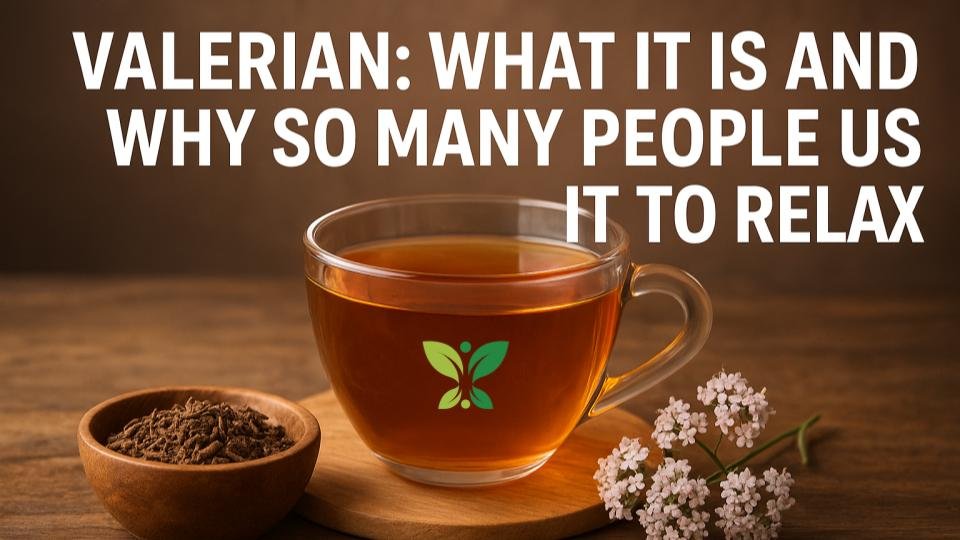
Valerian: What It Is and Why So Many People Use It to Relax
Valerian is one of those plants that has been around for centuries, quietly playing a role in traditions of relaxation and natural well-being. Today, it is once again in the spotlight as more people search for gentle, natural ways to ease tension, promote calmness, and support their nighttime routines. But what exactly is valerian, and why do so many people turn to it?
In this article, we’ll explore what valerian is, where it comes from, its traditional uses, and how people incorporate it into their daily lives for relaxation. By the end, you’ll have a complete picture of why valerian has earned a reputation as one of nature’s most calming herbs.
What Is Valerian?
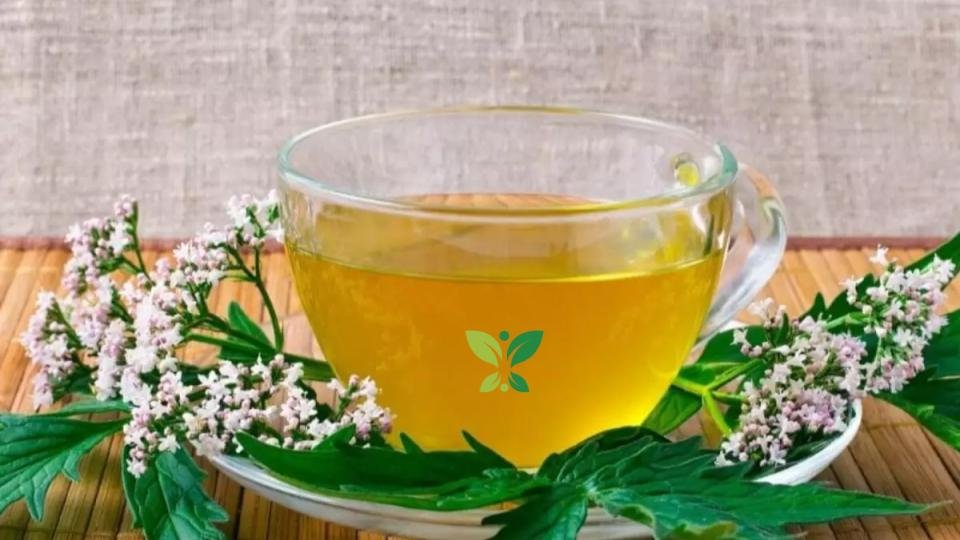
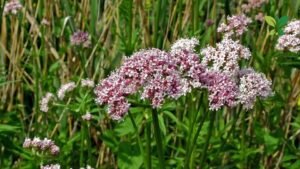
Valerian (scientific name Valeriana officinalis) is a perennial plant native to Europe and Asia. It produces small clusters of pink or white flowers and is often found growing in meadows and along riverbanks. While the flowers are delicate and pretty, it’s the root of the plant that has been valued for centuries.
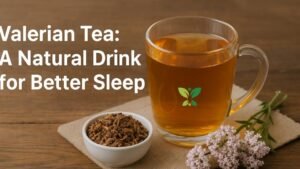
The roots are harvested, dried, and then used in teas, capsules, tinctures, or extracts. They contain natural compounds believed to influence relaxation and calmness, which explains why valerian has been used as a trusted herb in many cultures.
A Brief History of Valerian
Valerian’s story stretches back thousands of years. Ancient civilizations such as the Greeks and Romans recorded the use of valerian root as a way to support rest and balance. Hippocrates himself, often called the “father of medicine,” noted its calming qualities.
During the Middle Ages, valerian became a common herb in European households. People brewed it as an infusion or included it in herbal remedies meant to calm nerves and promote a peaceful state of mind. By the 19th and early 20th centuries, valerian root was even listed in pharmacopeias across Europe and North America as a trusted natural option.
Why Do People Use Valerian Today?
Fast forward to modern times, and valerian has not lost its appeal. People around the world turn to valerian root as part of their routine for various reasons:
1. To Promote Relaxation
One of valerian’s most well-known uses is its ability to help people feel more relaxed after a long day. Many report that drinking valerian tea or taking a supplement in the evening can help them transition from a busy, stressful state into a calmer mood.
2. To Support Nighttime Rituals
Valerian is often included in “sleepy-time” teas or herbal blends marketed for nighttime use. While results vary, many individuals find it helps them wind down more naturally.
3. To Reduce Daytime Tension
Some people use valerian in smaller amounts during the day as part of their stress-management strategies. Whether in a cup of tea or a capsule, it can serve as a gentle reminder to pause and breathe.
4. As an Alternative to Stronger Options
In a world where many turn to quick fixes, valerian stands out as a softer, plant-based alternative. Those seeking natural approaches to well-being often consider it a first step before trying more intensive methods.
How Do People Use Valerian?
Valerian root comes in several forms, each with its own appeal:
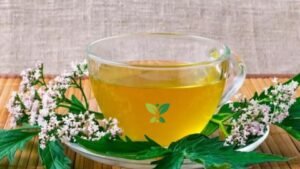
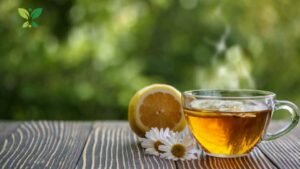
- Tea or Infusion: Steeping dried valerian root in hot water is one of the most traditional methods. The taste can be earthy, sometimes described as slightly bitter, so it is often blended with other herbs like chamomile or lemon balm.
- Capsules or Tablets: These are convenient for people who prefer not to drink tea or who want a more consistent dosage.
- Tinctures or Extracts: A few drops of liquid valerian extract in water is another common way people incorporate it.
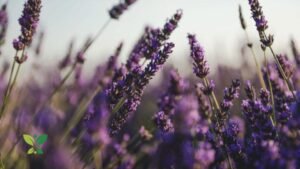
- Herbal Blends: Valerian often appears alongside calming herbs like passionflower, lavender, or hops in ready-made blends.
What Science Says About Valerian
While valerian has been studied, scientific results vary. Some research suggests that compounds in valerian may interact with neurotransmitters in the brain, encouraging a state of relaxation. Other studies show more modest effects.
The important point is that many people personally report positive experiences with valerian, even if the science is still catching up. This combination of traditional use and modern interest is part of what makes valerian such a fascinating plant.
Tips for Adding Valerian to Your Routine
If you’re curious about valerian, here are some practical tips for getting started:
- Start Small: Try a mild tea blend before moving on to stronger preparations.
- Experiment with Timing: Some prefer valerian about an hour before bedtime, while others sip it in the evening to relax.
- Blend with Other Herbs: Combining valerian with chamomile or lavender can balance the flavor and effects.
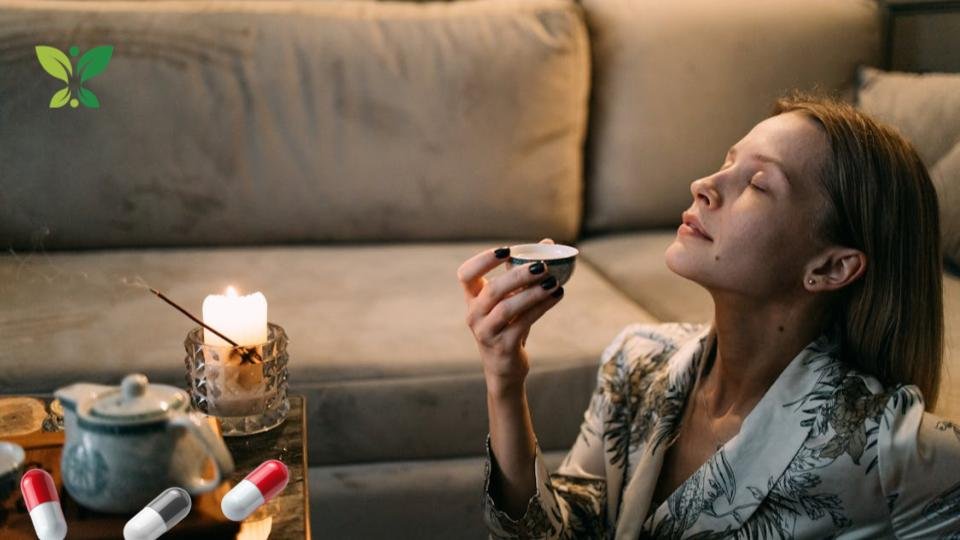
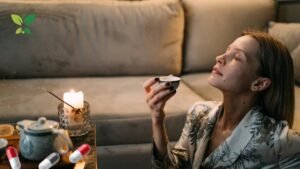
- Create a Ritual: Drinking valerian tea can be more effective when paired with other calming activities like reading, dimming the lights, or listening to soft music.
Precautions to Keep in Mind
Although valerian is considered safe for most people, it’s important to remember:
- Pregnant or breastfeeding individuals should avoid valerian unless advised otherwise.
- It should not be combined with alcohol or strong sedatives.
- Reactions differ from person to person—what feels calming to one may feel less noticeable to another.
As with any herb, it’s wise to consult a healthcare professional before making valerian a regular part of your routine.
Why Valerian Stands Out Among Calming Herbs
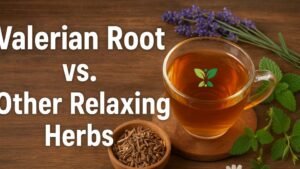
There are many calming herbs out there—chamomile, lemon balm, lavender, and more. Yet valerian continues to stand out because of its long history and the way it has been consistently used for centuries. Unlike some herbs that rise and fall with trends, valerian has remained a quiet, steady option across generations.
It’s this blend of history, tradition, and modern curiosity that makes valerian so appealing. People don’t just use it for relaxation—they connect with it as part of a larger lifestyle choice: slowing down, choosing natural options, and creating peaceful moments in a busy world.
A Gentle Ally for Modern Life
In today’s fast-paced culture, stress and sleeplessness are common. Valerian may not be a miracle cure, but for many, it serves as a gentle ally in finding calm. Whether enjoyed as a warm infusion before bed or taken in a convenient capsule, it represents a natural way to support relaxation.
The next time you think about improving your evening routine, you might consider giving valerian a try. As countless people across the world have discovered, this humble root offers more than just herbal tradition—it offers a reminder to slow down, breathe, and embrace the simple rituals that make life more balanced.
🌿Continue exploring natural ways to fall asleep faster 😴
Read also:
⚠️ Disclaimer:
Content is for informational purposes only and is not medical advice. Consult a healthcare professional before use.



Publicar comentário