
Why Monks Relied on Valerian Tea to Find Nightly Peace
In the silence of medieval monasteries, where daily life was guided by prayer, discipline, and simplicity, sleep was considered more than a biological need—it was a spiritual practice. To maintain clarity of mind and devotion, monks often turned to natural remedies that supported both body and soul. Among these, valerian tea emerged as a trusted ally, helping them achieve nightly peace and preparing them for their sacred routines.
Monastic Life and the Quest for Inner Calm
The life of a monk in the Middle Ages was far from restful. Days began before dawn with chants and prayers, often stretching into long hours of study, labor, and meditation. Silence was central, and mental focus was essential.
But just like modern people, monks faced challenges in finding restful sleep. Stress, fasting, and the physical demands of their lifestyle often disrupted their ability to drift off easily. For this reason, herbs played a vital role in monastic medicine. Valerian root was among the most valued for its calming properties.
Why Valerian Was Perfect for Monastic Use
Valerian (Valeriana officinalis) was well known in Europe for its ability to soothe the nervous system and promote relaxation. For monks, its effects aligned with the very principles of monastic living: peace, balance, and self-control.
- Mental focus: By easing anxiety, valerian helped monks prepare their minds for prayer.
- Sleep support: Taken in tea form, it encouraged deep and restorative rest.
- Natural and accessible: Monasteries often grew valerian in their own gardens, ensuring a steady and reliable supply.
The Evening Ritual of Valerian Tea
In many monasteries, the preparation of herbal teas became a ritual of its own. Valerian root was dried, chopped, and steeped in hot water, creating a strong infusion.
The act of drinking this tea before evening prayer or bedtime carried both practical and symbolic meaning:
- Practical → It calmed the body, making sleep easier to achieve despite the rigors of monastic schedules.
- Symbolic → It was a reminder that rest itself was sacred, a form of surrender and renewal guided by nature.
This ritual mirrored modern mindfulness practices, where the act of preparation and consumption is as calming as the herb itself.
Monastic Gardens: The Source of Healing
Monks were skilled herbalists, and their gardens were living pharmacies. Valerian often grew alongside chamomile, lavender, and sage—plants also used to ease the mind and body.
Herbal knowledge was carefully documented in manuscripts, ensuring that the properties of plants like valerian were passed down for future generations. These records highlight how central valerian was to the holistic approach of monastic medicine.
The Science Behind the Calm
Though monks relied on tradition and observation, today we understand why valerian worked so well. The root contains compounds that interact with the gamma-aminobutyric acid (GABA) receptors in the brain, promoting relaxation and reducing nervous activity.
In other words, monks may not have known the chemical explanation, but they witnessed the results: calmer minds, improved sleep, and the ability to face the next day with clarity.
A Spiritual Dimension to Sleep
For monks, sleep was never just about rest—it was an opportunity to renew the soul. Many believed that preparing the body with natural remedies like valerian created a peaceful transition into dreams, a state where spiritual insight and divine connection could occur.
This perspective transformed valerian tea into more than a drink. It was a bridge between physical health and spiritual devotion.
Lessons for the Modern World
While our lives may be far removed from medieval monasteries, the wisdom of monks still applies today. Modern stress, overstimulation from technology, and irregular sleep schedules are challenges that valerian can still address.
Adopting a simple tea ritual—just as monks did centuries ago—offers benefits beyond the herb itself. The act of slowing down, preparing a warm drink, and intentionally signaling to the body that it is time to rest can be transformative.
How to Create Your Own Monastic Tea Ritual
Inspired by the monks, you can recreate this timeless practice:
- Choose quality valerian root – Use dried root from a trusted source for maximum effect.
- Brew with intention – Steep 2–3 grams in hot water for 10–15 minutes.
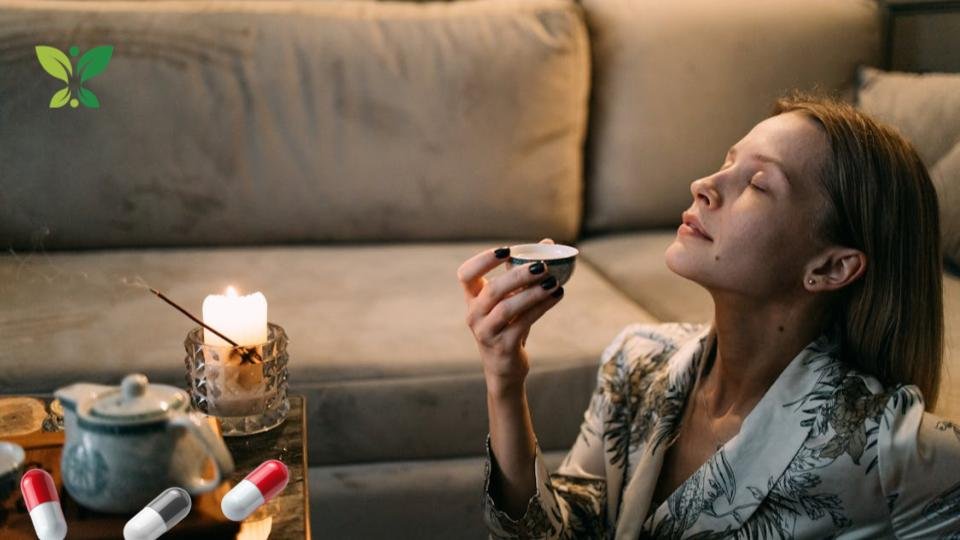
- Set the scene – Dim the lights, silence distractions, and allow the aroma to calm your senses.
- Drink mindfully – Focus on each sip, letting it mark the transition from day to night.
- Pair with reflection – Like monks, combine your tea with journaling, prayer, or quiet meditation.
By practicing this ritual, you’re not just drinking tea—you’re reclaiming a tradition of inner peace.
A Cup That Carries Centuries of Wisdom
Valerian tea was more than an herbal drink for monks—it was a companion on their journey toward spiritual clarity and restful nights. Its calming effects supported their devotion, while the ritual itself reinforced the discipline of living mindfully.
Today, when nightly peace feels increasingly rare, valerian offers a reminder that rest is sacred and worth protecting. By adopting even a fraction of the monastic wisdom, we can rediscover the serenity that comes from something as simple—and powerful—as a warm cup of tea.
🌿Stay here and learn how to relax naturally 😴
Read also:
⚠️ Disclaimer:
Content is for informational purposes only and is not medical advice. Consult a healthcare professional before use.










Publicar comentário