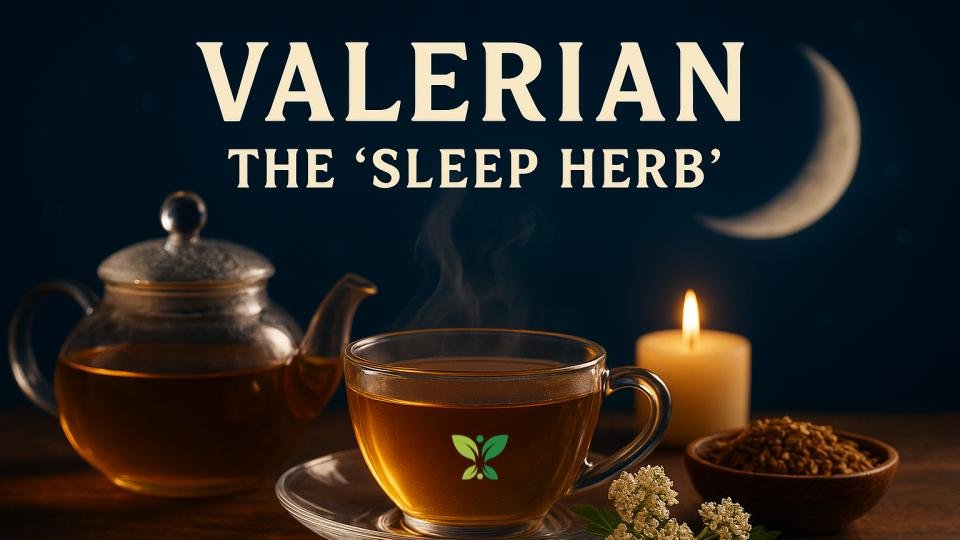
Why Valerian Is Called the “Sleep Herb”: A Look at Tradition and Culture
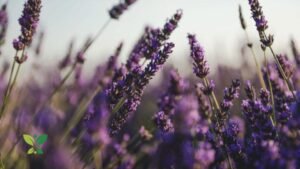
Across the world, certain plants have earned nicknames that reflect their most famous uses. Chamomile is often called the “relaxation flower,” lavender is known as the “calming scent,” and valerian has been affectionately labeled the “sleep herb.”
But why has valerian carried this reputation for centuries?
The answer lies in the way cultures have remembered and passed down traditions about valerian. From folklore to bedtime teas, this plant has become deeply tied to the idea of nighttime rest. Let’s explore how valerian earned its nickname and why it continues to be so closely linked to sleep.
The Roots of Valerian’s Reputation
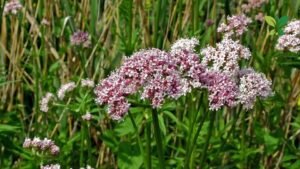
Valerian (Valeriana officinalis) is native to Europe and Asia and has been cultivated for thousands of years. Its roots are the part most often used in teas and infusions, and these preparations quickly became part of evening traditions in many societies.
Long before modern science, people noticed patterns: families who included valerian in their nighttime rituals often reported calmer evenings and easier rest. Over generations, this connection became ingrained in cultural memory, giving valerian its famous title as the “sleep herb.”
Valerian in Ancient Traditions
Historical records show valerian being mentioned in Greek and Roman texts. It was valued not only for its botanical qualities but also for its symbolic role in daily life. In medieval Europe, valerian tea or infusions were commonly recommended in households as a preparation for rest.
The idea wasn’t that valerian “fixed” sleep problems it was that valerian belonged to the night. Just as candles and quiet rituals marked the evening, valerian was included as a natural part of transitioning to bedtime.
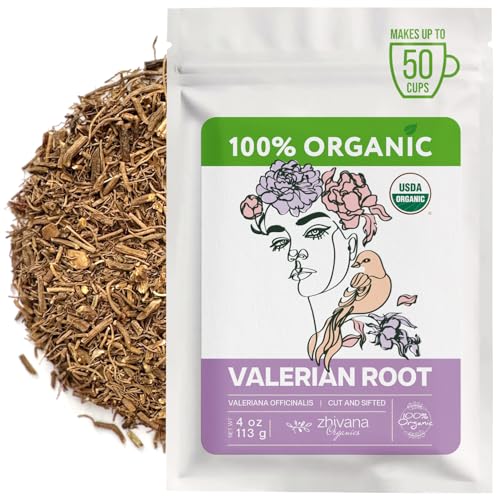
- 🌿USDA Organic Valerian root Tea (Valeriana officinalis): A true peace tonic for the soul, our Dried Valerian Root is han…
- 🌿Improved Sleep Quality: an root is known for its calming properties. You will fall asleep faster and experience deeper,…
- 🌿Stress Tea: Organic Valerian Tea contains compounds that may help promoting a sense of calmness and relaxation.
Folklore and the Symbolism of Sleep
In many folk traditions, valerian became more than just a plant. It was often associated with peace, balance, and the rhythms of nature. Some communities burned valerian or carried it as part of evening rituals, while others brewed it into calming mixtures for families.
Over time, valerian’s presence in bedtime practices turned into a cultural symbol. When people thought of sleep, they thought of valerian. This is how the nickname “sleep herb” was born and carried across generations.
The Ritual Power of Valerian Tea
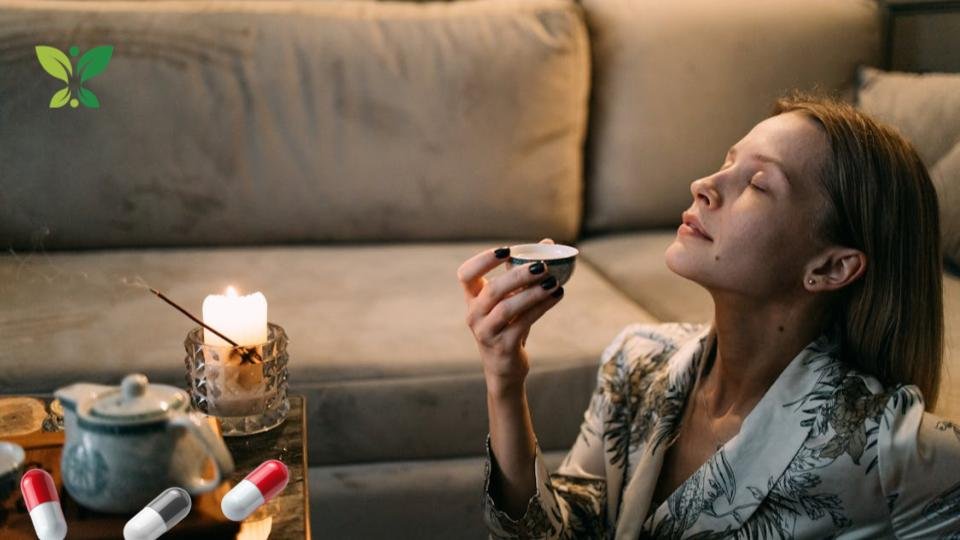
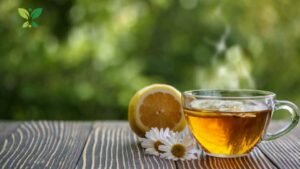
One of the strongest reasons valerian is tied to sleep is its role in nightly tea rituals. Preparing a cup of valerian tea is more than just drinking—it’s a ritual that:
- Signals the end of the day.
- Creates a mindful pause before rest.
- Connects the individual to centuries of tradition.
By repeating this ritual, people reinforce the association between valerian and sleep, passing it along through culture and memory.
Why the Nickname Stuck
Not all plants maintain their reputations over centuries, but valerian’s nickname has survived for a few key reasons:
- Consistency Across Cultures – Valerian has appeared in bedtime traditions across Europe and beyond.
- Strong Symbolism – Its nickname connects directly to one of the most universal human needs: rest.
- Ritual Use – Because it’s still part of modern herbal teas and calming blends, valerian’s sleep reputation remains alive today.
This continuity of tradition makes valerian unique—it hasn’t faded from memory but continues to play a role in discussions about sleep health.
Valerian in Modern Times
Even now, valerian is widely included in teas, capsules, and wellness products labeled for relaxation or nighttime use. When people search for natural ways to improve sleep hygiene, valerian almost always appears as part of the conversation.
Modern consumers may not always know the full history, but the idea of valerian as a “sleep herb” is instantly recognizable. This shows how cultural memory can keep a plant’s reputation strong for centuries.
Final Thoughts: Valerian’s Place in Sleep Culture
Valerian’s title as the “sleep herb” isn’t just marketing—it’s a reflection of deep cultural traditions that have endured across time. Its consistent presence in bedtime rituals, teas, and folklore has made it synonymous with nighttime rest.
By using valerian today, whether as tea or as part of a calming ritual, we connect with generations of people who valued it as a natural companion to sleep. In that sense, valerian is more than an herb—it’s a reminder of the timeless human quest for peaceful nights.
🌿Continue exploring natural ways to fall asleep faster 😴
Read also:
⚠️ Disclaimer:
Content is for informational purposes only and is not medical advice. Consult a healthcare professional before use.








Publicar comentário